
Acne is one of the most common skin conditions affecting millions of people worldwide. It is distressing and effects one’s confidence when it is active, characterized by blackheads, whiteheads, red inflamed pimples and pustules. Understanding active acne, with immediate intervention and with numerous treatments available can help individuals manage and reduce the impact of this condition on their lives.
Address:
Door No. 8-2-293/82/A/725/A, Beside FMS
INTERNATIONAL DENTAL CENTER Road No. 37,
Hitech City Rd, near Daspalla Hotel, CBI Colony,
Jubilee Hills, Hyderabad, Telangana 500033
Email: [email protected]
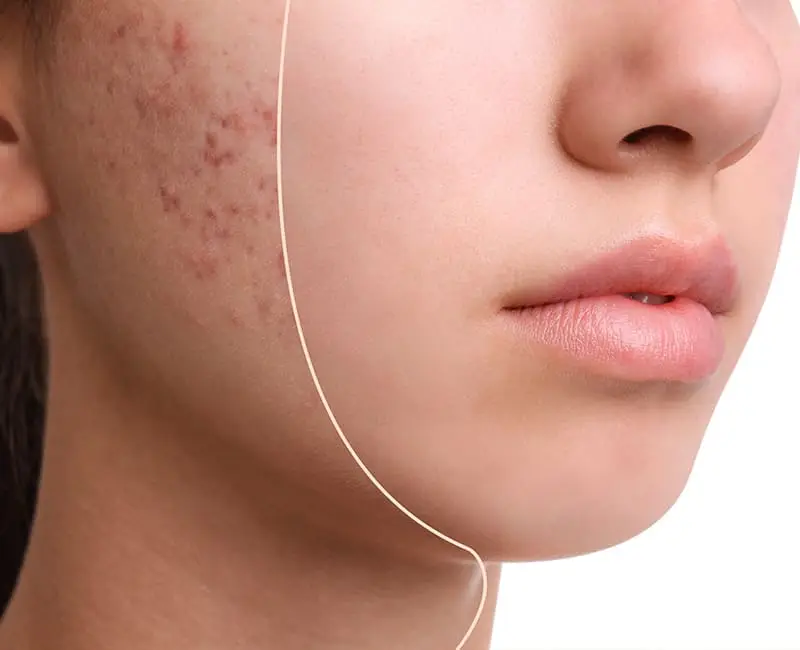
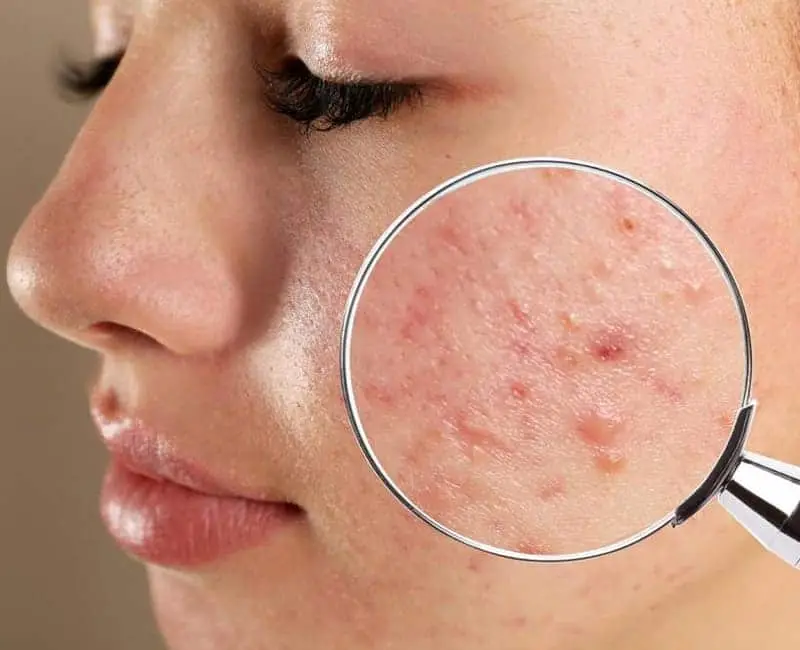
Active acne refers to the period when the skin is experiencing an outbreak of pimples and other lesions. It is primarily caused by the clogging of hair follicles with oil, dirt and dead skin cells, leading to inflammation. This process involves several factors:
Active acne can present in various forms:
Blackheads: Open Comedones with a dark surface.
Whiteheads: Closed Comedones with a white surface.
Papules: Small red, tender bumps.
Pustules: Pimples with pus at their tips.
Nodules: Large, painful lumps beneath the skin.
Cysts: Deep, painful, pus-filled lesions.
Effective treatment for active acne involves a combination of topical and oral medications, lifestyle changes, and sometimes medical procedures. The goal is to reduce oil production, speed up skin cell turnover, fight bacterial infection, and reduce inflammation.
Topical Treatments
Oral Medications—
Skincare Routine
A gentle skincare routine tailored to acne-prone skin can make a significant difference. Cleansing the skin twice daily with a mild, non-comedogenic cleanser helps remove excess oil and impurities. Using non-comedogenic moisturizers to hydrate the skin and gel, non-comedogenic sunscreens for protection is crucial to avoid clogging pores.
Dietary Changes
Some studies suggest that diets high in sugar, dairy, chocolate and certain fats can exacerbate acne. Maintaining a balanced diet rich in fruits, vegetables, and whole grains may help reduce acne severity.
Stress Management
Stress can trigger hormonal changes that worsen acne. Techniques such as yoga, meditation, and regular exercise can help manage stress levels.
Active acne can be a challenging condition to manage, but with the right combination of Acne treatments, it is possible to reduce its impact significantly. A comprehensive approach that includes topical and oral medications, lifestyle modifications, and medical procedures can provide relief and improve the quality of life for those affected. Consulting with a dermatologist is essential to develop a personalized treatment plan tailored to individual needs and skin types. By understanding the causes of active acne and the available treatment options, individuals can take proactive steps toward achieving clearer, healthier skin.