
It is a technique in which minute, metabolically inert pigment granules…
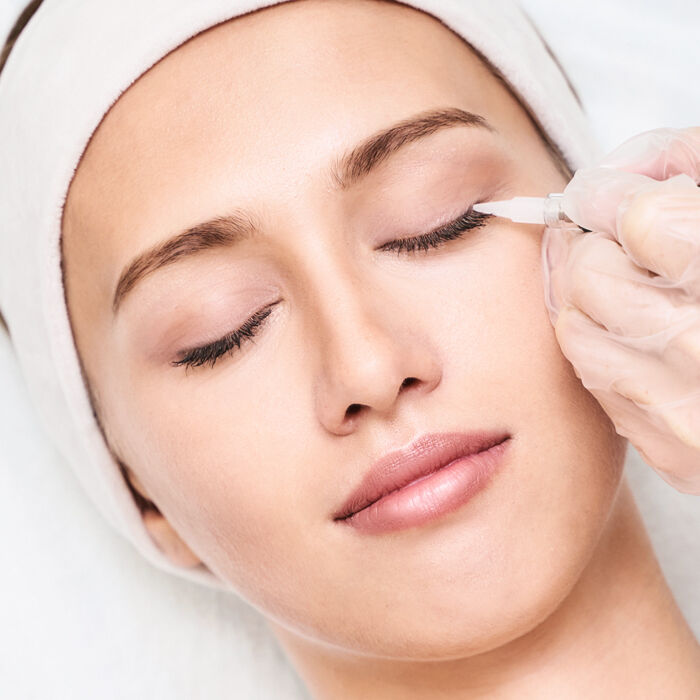
Micropigmentation, also known as semi-permanent makeup, is a cosmetic procedure used to improve or replace lost color on your skin. It is most often used to enhance eyebrows, eyelids (as eyeliner), and lips. It’s also used to camouflage scars, even out skin color, and give an illusion of fuller hair on the scalp.
Micropigmentation is a technique in which minute, pigment granules, non-allergic and non-toxic pigments are implanted into the skin for cosmetic and/or corrective enhancement. Usually, 2-4 treatments are necessary. This can be performed in a doctor’s office in less than two hours. A topical anesthetic is applied to keep the patient comfortable during the procedure. Pigments are mixed to match the individual patient’s skin. Results are seen immediately, though end results are not apparent for about three weeks.
Micropigmentation has been used in conditions like-
It is very important for the patient to have a realistic expectation regarding the results.
Procedure: Micropigmentation can be done manually or by using an electric machine with different features. These include single-needle and multiple-needle cartridges. The crust and scab post-procedure falls off in about 7 days. The patient is reviewed after 4 weeks to assess if any further corrective touch-up is required.
Micropigmentation gives rapid and instantaneous results which is relatively inexpensive, office-based and is not time-consuming.
Micropigmentation can be done to both male and female. It avoids the physical challenges of applying makeup.
Micropigmentation may also be a solution for some medical conditions including:
Micropigmentation procedures are also considered for personal reasons, such as:
Micropigmentation is not the same as tattooing, so the results will be different. Most importantly, the pigment is unlikely to spread. A traditional tattoo would be created to stand out while Micropigmentation is meant to blend in and look natural. The depth of pigment deposition, and pigments used also differs.
You can return to work or other activities immediately after your procedure.
Some swelling and redness in the treated area are known to happen. Post-procedure care regarding the antibiotic creams, when to wash the treated area, and follow-up visits will be explained.
Yes, but. . .over time pigment may fade because skin cells are constantly replaced.
Minimal bleeding, swelling and some crusting is usually expected. Others include – Infection, Allergic reaction, scar tissue etc.