⭐ Gold Standard
MNRF — Microneedling Radiofrequency
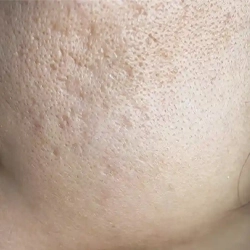
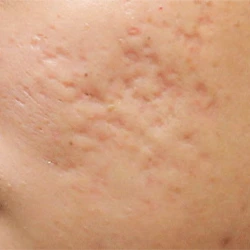
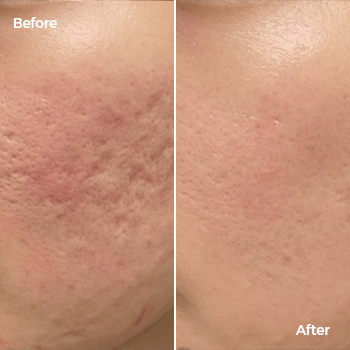
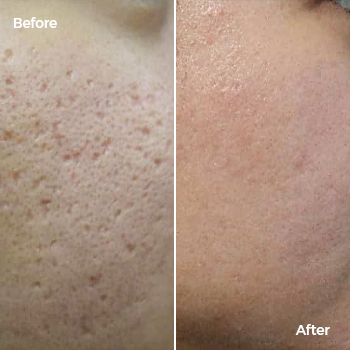
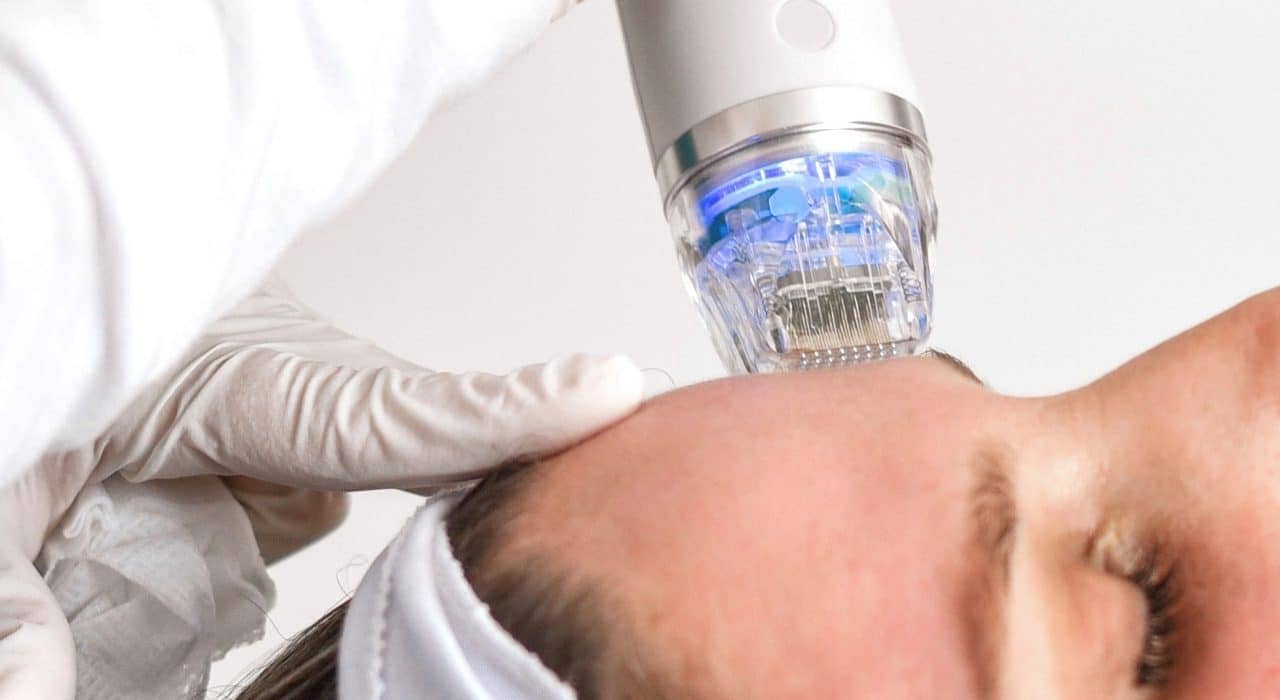
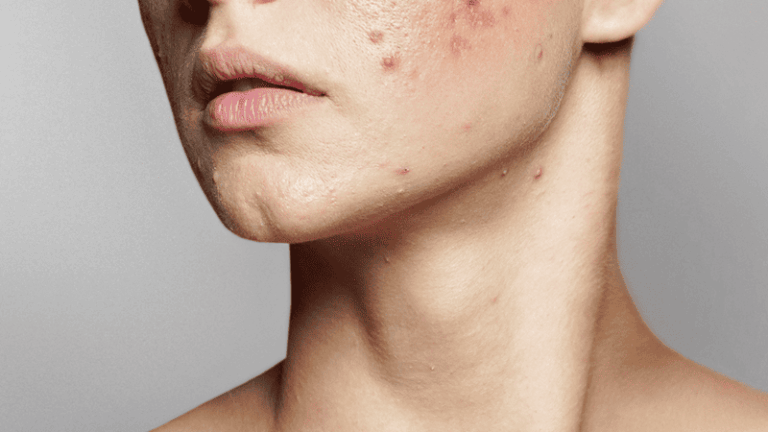
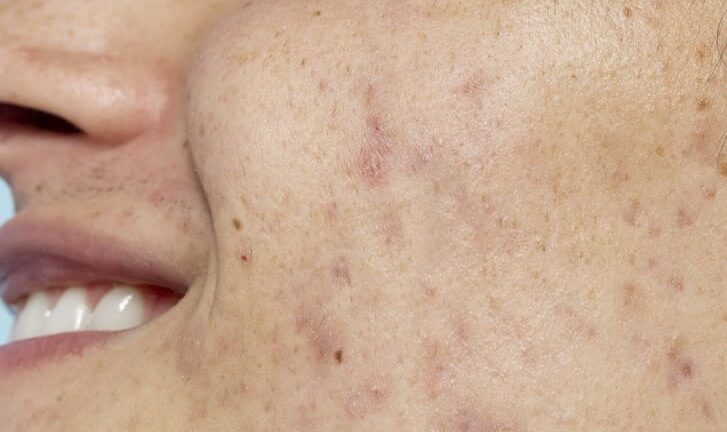
MNRF is the most effective acne scar treatment for Indian skin. Fine insulated microneedles penetrate to precise depths (1.5–3.5mm) in the dermis and deliver radiofrequency thermal energy directly at scar depth — triggering robust collagen neogenesis and dermal remodelling exactly where it is needed. Because RF energy is delivered via needles directly into the dermis (bypassing the melanin-rich epidermis entirely), there is minimal risk of post-inflammatory hyperpigmentation — the major concern with ablative laser on dark Indian skin.
- Best for: Rolling scars and boxcar scars; safe for all Indian skin tones (Fitzpatrick IV–VI)
- US-FDA approved MNRF device used at FMS Skin
- Downtime: 3–5 days per session (redness, dryness, mild flaking)
- Improvement visible from sessions 3–4; continues building for up to 6 months after the final session
- 60–80% improvement in rolling and boxcar scars over a full course
Price: From ₹10,000/session · Typical course: 4–6 sessions, 4–6 weeks apart
Laser
Fractional CO2 laser precisely ablates columns of damaged scar tissue while stimulating new collagen in the surrounding dermis. The fractional delivery pattern treats a percentage of the skin surface per session, allowing healing from the surrounding untreated tissue — making recovery faster and reducing adverse reaction risk compared to fully ablative resurfacing. At FMS, CO2 laser parameters are carefully calibrated for Indian skin tones to prevent post-treatment pigmentation.
- Best for: Moderate to deep atrophic scars (boxcar, mixed); more effective for deeper scars than MNRF alone
- Fractional delivery — treats scar with minimal surrounding damage
- Often combined with MNRF for superior results — MNRF for deeper remodelling, CO2 for surface resurfacing
- Downtime: 4–7 days per session
- Visible improvement from sessions 2–3
Price: From ₹8,000/session · Typical course: 3–6 sessions
Laser
Erbium:YAG Fractional Laser
The Erbium:YAG laser produces a shallower, more precise ablation than CO2 with significantly less thermal damage to surrounding tissue — making it better suited for darker Indian skin tones within the Fitzpatrick IV range where CO2 carries a higher PIH risk. The reduced thermal injury means faster healing and lower adverse reaction risk, at the cost of slightly less depth of collagen stimulation per session.
- Best for: Moderate atrophic scars on Fitzpatrick IV skin; surface texture refinement
- Less downtime than CO2 (3–4 days vs 4–7 days)
- Lower PIH risk than CO2 for darker skin — the preferred surface resurfacing option for Fitzpatrick IV
Price: From ₹10,000/session · Typical course: 3–6 sessions
Surgical
Subcision for Rolling Scars
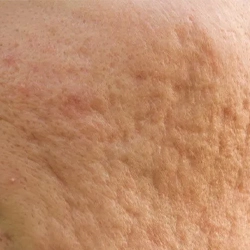
Subcision is a minimally invasive surgical technique using a special needle inserted beneath the rolling scar to physically cut the fibrous bands tethering the scar to deeper tissue — the root cause of rolling scars that no amount of laser energy can address. By releasing these fibrous attachments, the skin rises naturally and the rolling, wave-like appearance is immediately reduced. Subcision is performed under local anaesthesia and is essentially painless during the procedure.
- The only treatment that directly addresses the cause of rolling scars
- Performed under local anaesthesia — comfortable during procedure
- Immediate visible release of tethering — gradual collagen remodelling improves the result over 4–8 weeks
- Usually combined with MNRF or fillers for sustained collagen support after scar release
- 2–3 sessions typically needed
Price: On consultation · 2–3 sessions typically
Surgical
TCA CROSS for Ice Pick Scars
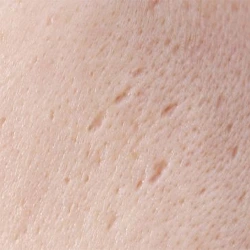
TCA CROSS (Chemical Reconstruction of Skin Scars) is a highly specialised technique where high-concentration trichloroacetic acid (TCA, typically 70–100%) is applied precisely inside individual ice pick scars using a fine applicator tip. The TCA causes controlled frosting specifically within the scar channel, triggering an intense local collagen stimulus that gradually fills the scar from below over successive sessions. TCA CROSS is the most effective — and in many cases the only effective — treatment for narrow, deep ice pick scars.
- Only technique specifically designed for ice pick scars; standard MNRF and laser are insufficient for narrow ice pick channels
- Precise application — treats individual scars without affecting surrounding skin
- 4–6 sessions with gradual filling of each scar channel; improvement continues between sessions
- Minimal downtime per scar — individual scar sites crust and heal over 3–5 days
- Combined with MNRF for overall skin texture improvement
Price: From ₹3,000/session · 4–6 sessions
Injectable
Dermal Fillers for Atrophic Scars
Hyaluronic acid fillers are injected beneath depressed acne scars to physically lift the scar base from below, producing immediate visible improvement in the same session. Particularly effective for rolling scars and wide boxcar scars where volume loss beneath the scar is a significant component. Results are immediate and last 12–18 months depending on the product used and scar location.
- Immediate improvement in the same session — visible results before leaving the clinic
- Best for: Rolling scars and wide boxcar scars; used alongside MNRF for sustained collagen stimulation
- Hyaluronic acid — safe, biocompatible, reversible if needed
- Results last 12–18 months; maintenance session maintains the improvement
Price: On consultation · 1–2 sessions typically
Regenerative
PRP / PRF / GFC for Healing & Collagen Support
Platelet-derived growth factor therapies — PRP (Platelet-Rich Plasma), PRF (Platelet-Rich Fibrin) and GFC (Growth Factor Concentrate) — are used alongside MNRF and laser at FMS to accelerate post-procedure healing, enhance the collagen-stimulating response and improve overall skin quality. They are particularly valuable between MNRF sessions to maintain the regenerative momentum and are used in some cases as the primary treatment for mild surface texture improvement.
- PRP: concentrates platelets 4–6x above baseline; established healing booster
- PRF: processed without anticoagulant; releases growth factors slowly over 7–14 days for sustained support
- GFC: highest growth factor concentration; most potent platelet-derived option
- Used as adjuncts to MNRF and laser — not as standalone treatments for significant structural scars
Price: PRP from ₹4,000/session · PRF/GFC from ₹10,000/session
Chemical Peels
Chemical Peels for Acne Marks (PIH)
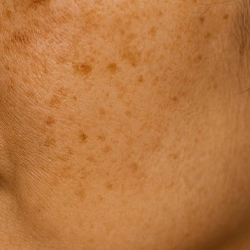
Medical-grade chemical peels are the most accessible and consistently effective treatment for post-inflammatory hyperpigmentation (PIH) — the dark marks left after acne heals. They accelerate skin cell turnover, remove melanin-dense surface layers and reveal fresher, less pigmented skin beneath. Peels are also used in the early phase of scar management to improve overall skin quality before MNRF sessions begin.
- Glycolic acid peels: accelerate cell turnover, improve skin tone and mild surface texture
- Salicylic acid peels: penetrate pores, reduce comedones and surface debris alongside PIH
- TCA peels: more significant resurfacing for moderate PIH and superficial scar texture
- Safe for Indian skin when correctly calibrated by the dermatologist
Price: From ₹3,000/session · 4–8 sessions for PIH management
Surgical
Acne Scar Surgery (Excision)
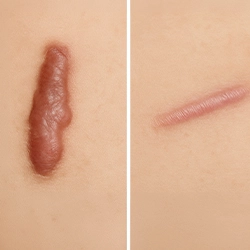
For specific resistant or severe individual scars that do not respond adequately to non-surgical treatments, surgical excision (punch excision for deep ice pick scars, elliptical excision for specific raised or depressed scars) followed by primary closure or skin grafting can produce superior outcomes. All acne scar surgery at FMS is performed by board-certified dermatologists only. Surgical correction is typically followed by MNRF sessions to improve the surgical scar and overall skin texture.
Price: On consultation · 1–2 procedures typically