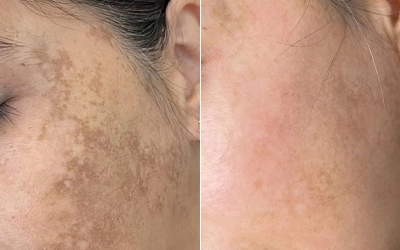
COLORING OF SKIN WHICH IS RESPONSIBLE BY MELANIN PRODUCED BY THE CELLS IN THE SKIN!!
Pigmentation disorders are one of the most common skin concerns affecting people in India, particularly in metropolitan cities like Hyderabad. Factors such as intense sun exposure, pollution, hormonal changes, acne, lifestyle habits, and genetic predisposition contribute to the increasing prevalence of pigmentation issues across all age groups.
At FMS Skin & Hair Clinics, we provide advanced, medically proven pigmentation treatments in Hyderabad designed specifically for Indian skin types. Our treatments focus not just on lightening dark patches but on correcting the root cause, preventing recurrence, and restoring overall skin health.
Whether you are struggling with melasma, acne pigmentation, sun spots, dark patches, or uneven skin tone, our expert dermatologists create personalized treatment plans using the latest dermatology technologies and evidence-based protocols.
Our goal is not just lighter skin, but healthy, balanced, and radiant skin.
Pigmentation management demands precision and medical oversight, especially in skin that is prone to darkening, rebound pigmentation and sensitivity. At FMS Skin & Hair, pigmentation correction is one of our core clinical areas, strengthened by extensive experience and patient outcomes across a wide range of presentations.
Our approach combines detailed assessment, controlled treatment progression and energy-based technologies selected for their compatibility with Indian skin tones. We prioritise long-term clarity rather than short-term lightening, ensuring the skin remains strong, even-toned and stable over time.
Pigmentation treatment is most effective when multiple modalities are combined and customized.
Medical topical treatments help regulate melanin production and gradually lighten pigmentation.
Commonly used actives include:
Benefits:
Topical treatment must always be used under dermatologist supervision to avoid irritation or rebound pigmentation.
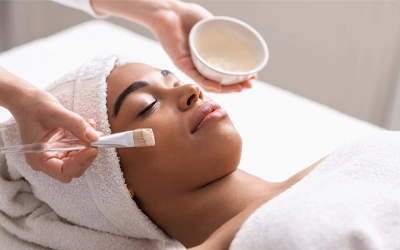
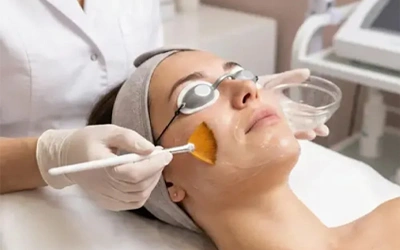
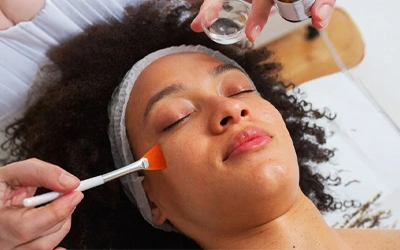
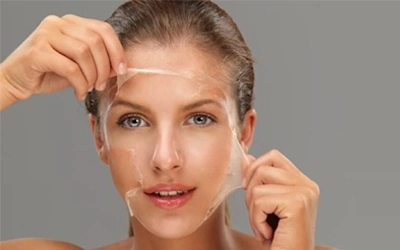
Chemical peels are highly effective for superficial and moderate pigmentation.
Peels are performed at controlled depths, making them safe for Indian skin when done by experts.
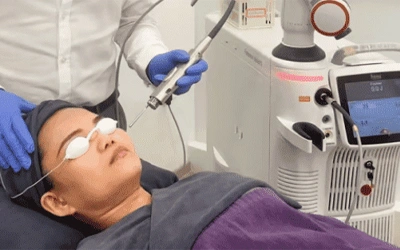
Laser technology is one of the most advanced solutions for deep and stubborn pigmentation.
At FMS Skin & Hair Clinics, we use state-of-the-art laser systems, including:
Laser treatment is particularly effective for:
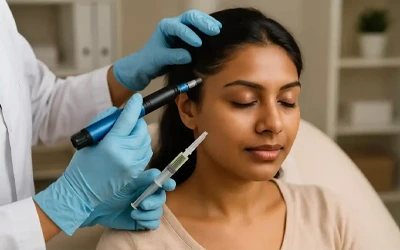
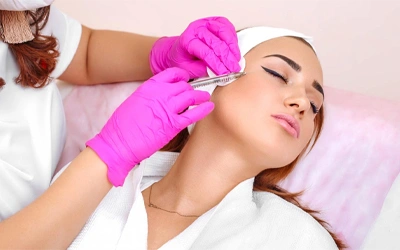
Microneedling enhances skin repair by creating microchannels that allow deeper penetration of active ingredients.
Benefits:
This treatment is often combined with peels or lasers for optimal outcomes.
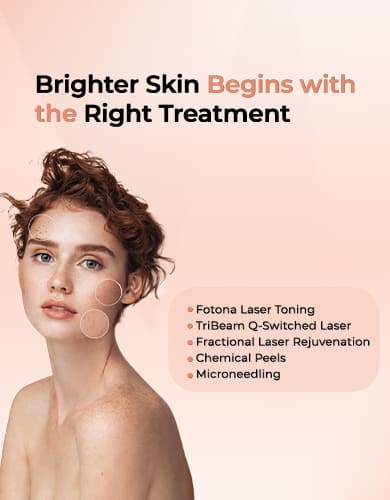
Most pigmentation cases respond best to combination therapy, which may include:
This approach ensures faster results and long-term control.
TriBeam Q-Switched Laser
High-precision Nd:YAG technology that breaks down excess melanin without damaging surrounding skin. Used for controlled pigment reduction and tone balancing over multiple sessions, while maintaining safety for Indian skin tones.
Fotona Laser Toning
A laser-based treatment that improves overall clarity and supports gradual pigment regulation.Enhances radiance and tone uniformity while stimulating collagen at deeper layers.
Fotona Fractional Rejuvenation
Fractional resurfacing that encourages controlled renewal of the epidermis and dermis.
Supports the reduction of long-standing discoloration and improves surface reflection for a more even appearance.
Chemical Peel Brightening Treatments
Dermatologist-selected formulations that exfoliate surface dullness and enhance cellular turnover, preparing the skin for improved penetration of topical products and device-based treatments.
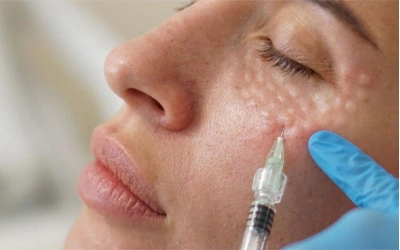
Microneedling with Regenerative Actives
Creates controlled micro-channels to improve collagen activity and delivery of brightening serums or platelet-derived preparations, supporting clarity and textural balance.
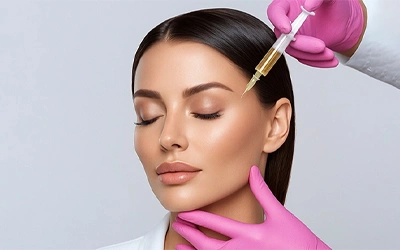
Mesotherapy Brightening Infusions
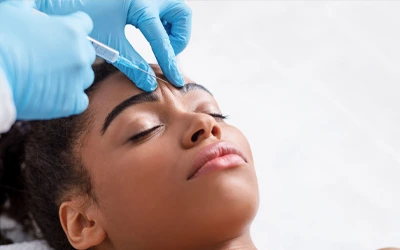
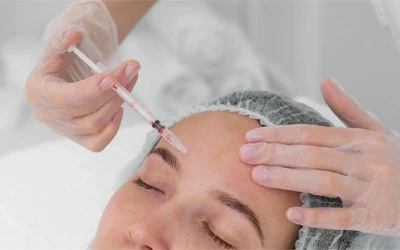
Micro-injections of targeted ingredients that support hydration and internal radiance, complementing external treatments for a more uniform complexion.
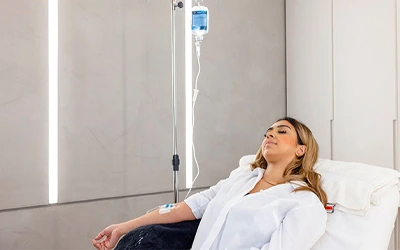
IV Radiance Drips
Internal antioxidants that help counteract oxidative stress and promote gradual improvement inoverall skin brightness. Used as supportive therapy alongside device-based treatments.
Topical Medical Depigmenting Therapy
Customised daily regimens containing prescription-grade brightening and protective agents to stabilise results and maintain progress between sessions.
Pigmentation correction is a gradual process, and long-term clarity develops through structured care.
Typical pathway:
Visible improvement generally begins within six to twelve weeks depending on response, depth of pigmentation and adherence to skincare recommendations.
Because pigmentation forms over time, steady correction leads to more sustainable results.
Pigmentation treatment focuses on reducing dark patches, spots, and uneven skin tone caused by excess melanin. It includes medical creams, chemical peels, laser treatments, and combination therapies performed under dermatologist supervision to improve skin clarity and tone safely.
Facial pigmentation is commonly caused by sun exposure, hormonal changes, acne marks, aging, genetics, and improper skincare. Identifying the underlying cause is essential for selecting the most effective treatment approach.
The best pigmentation treatment depends on the type and depth of pigmentation. A combination of dermatologist-prescribed creams, chemical peels, and laser treatments offers the most effective and long-lasting results for most patients.
Yes, laser treatment effectively targets and breaks down excess melanin, especially in deep or stubborn pigmentation. Advanced lasers, when used by experienced dermatologists, are safe and suitable for Indian skin types.
Most patients require 3 to 6 sessions for visible improvement. Deep or chronic pigmentation may need more sessions, along with maintenance treatments and proper skincare.
Initial improvement is usually visible within 2 to 4 weeks, depending on the treatment type and pigmentation severity. Results continue to improve with subsequent sessions and consistent aftercare.
Yes, pigmentation treatments are safe for Indian skin when performed by qualified dermatologists using appropriate techniques and skin-specific protocols. Proper assessment and aftercare reduce the risk of side effects.
Pigmentation can be significantly reduced, but recurrence is possible if triggers like sun exposure or hormonal imbalance are not managed. Maintenance treatment and sun protection are crucial for long-term results.
The cost varies based on treatment type and sessions required. Chemical peels typically range from ₹2,000–₹5,000 per session, while laser treatments range from ₹5,000–₹15,000 per session.
Yes, chemical peels are effective for superficial and moderate pigmentation. They exfoliate damaged skin layers, improve skin tone, and enhance overall brightness when performed under medical supervision.
Melasma responds best to a combination of topical therapy, chemical peels, and laser toning. Treatment must be carefully customized to avoid recurrence and worsening of pigmentation.
Mild redness, dryness, or temporary darkening may occur but usually resolve quickly. Serious side effects are rare when treatment is done by experienced dermatologists following proper protocols.
Most pigmentation treatments cause minimal discomfort. Chemical peels may cause mild tingling, and laser treatments may feel like slight pricks, which are generally well tolerated.
Yes, acne marks and pigmentation can be treated simultaneously using combination therapies such as chemical peels, laser treatments, and microneedling for improved skin texture and tone.
Yes, daily use of broad-spectrum sunscreen is essential. Sun protection prevents worsening of pigmentation and helps maintain treatment results.
Yes, pigmentation treatment is suitable for both men and women. Treatment plans are customized based on individual skin type and concerns.
Yes, treatments can be customized for sensitive skin using gentle peels, lower laser settings, and dermatologist-approved skincare products.
Yes, pigmentation can return if aftercare guidelines are not followed. Regular maintenance treatments and sun protection help prevent recurrence.
Home remedies may offer mild improvement but are generally ineffective for moderate to severe pigmentation. Medical treatments provide safer, faster, and more reliable results.
You should consult a dermatologist if pigmentation persists, worsens, or does not improve with basic skincare. Early medical treatment prevents deepening and recurrence
Yes. Mild temporary darkening may occur as pigment breaks down before lightening.
Yes, when performed correctly with strict sun protection and modified protocols.
Yes, but treatment selection depends on hormonal status and safety considerations.
No. Treatments target excess melanin without altering your natural complexion
Your dermatologist will modify products to avoid irritation and ensure safety.
Most treatments involve minimal to no downtime.
Extremely important. Maintenance prevents relapse and preserves clarity.
Yes. Many protocols improve both pigmentation and skin texture.
No. Modern dermatological lasers improve collagen and skin strength when used correctly.
Earlier intervention gives faster, safer, and more durable results.