
The over production of sebum gives the skin unwanted, shiny and greasy appearance!!…
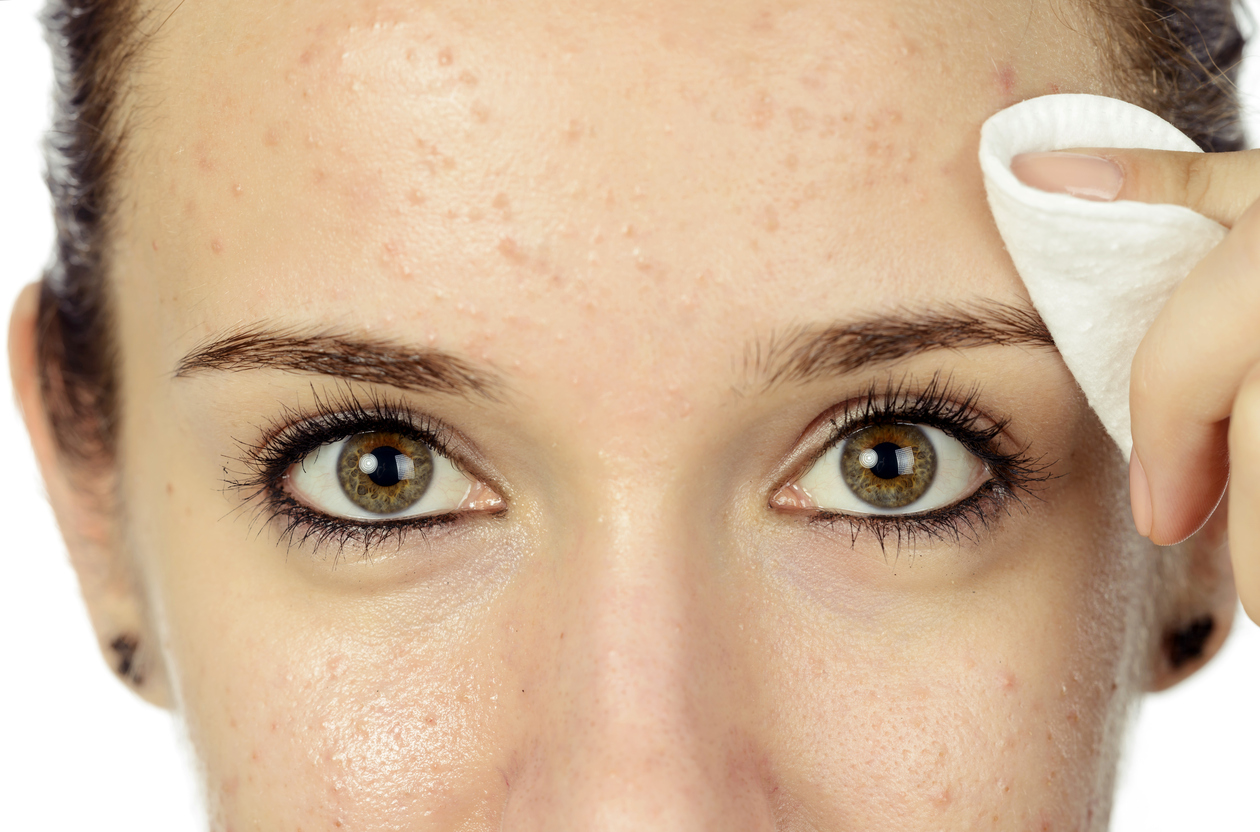
Oily skin is a very common dermatological problem. Skin needs a certain amount of natural oils to keep the skin moisturized and healthy. The natural oil produced by the skin is called sebum. The cause of oily skin is over production of sebum from the sebaceous glands.
The over production of sebum gives the skin unwanted, shiny and greasy appearance. Genetic and hormone changes play a definite role. Pregnancy, menstrual cycle, puberty, dehydration, oily foods, and certain foods like desserts, milk derivatives and high-stress levels can also be the reason for oily skin.
Oily skin presents as a shiny or greasy appearance, with very large or obvious pores on skin, which gets clogged leading to blackheads and persistent acne.
Patients suffering from oily skin should consult a dermatologist for the best way to protect the skin and prevent further damage to the skin.
Chemical Peels: Superficial chemical peels with α-hydroxy acid (glycolic acid) or B hydroxyl acid (salicylic acid) target sebum secretion, especially in oily skin type. They also help with gentle desquamation, thereby exfoliating adhered keratinocytes, leading to sebum reduction.
Botox Treatment: Botulinum Toxin is otherwise known as Botox, the injectable substance that helps to freeze wrinkles and fine lines. But it also known to help reduce sebum production and oiliness.
Photo Therapy: Photodynamic therapy is used to help manage acne prone skin, but it can also help to control excess oil in the skin. The therapy involves shining light of a certain wavelength and dose directly onto the skin. This helps to destroy the cells that produce sebum in the pores of the skin.