

HydraFacial vs Traditional Facials: What’s the Difference?
A Dermatologist-Guided Comparison for Healthier, Brighter Skin
HydraFacial uses a patented device for simultaneous deep cleansing, exfoliation, extraction (via suction), and serum infusion, offering deep hydration and targeting concerns like acne, dullness, and fine lines with instant and lasting results. In contrast, traditional facials rely on manual steps such as steaming, masks, and massage for surface-level rejuvenation, relaxation, and general maintenance, with results that are often temporary.
The key difference lies in HydraFacial’s technology-driven approach with deeper penetration versus manual, surface-focused methods. This makes HydraFacial more effective for improving overall skin health and function, while traditional facials remain suitable for relaxation and short-term glow.
What Is a Traditional Facial?
A traditional facial is a manual skincare treatment that typically involves cleansing, physical exfoliation using scrubs, steam, manual extractions, facial massage, and mask application. These treatments are commonly performed in salons or spas and are largely therapist-dependent, meaning results can vary based on technique, products used, and individual skin response.
Traditional facials can improve surface cleanliness, provide a temporary glow, and offer relaxation and stress relief. They are helpful for routine skin maintenance but are limited in depth. They are not designed to treat persistent acne, pigmentation, fine lines, early signs of aging, chronic dehydration, or enlarged pores, as their action is confined mostly to the outermost layers of the skin.
What Is a HydraFacial?
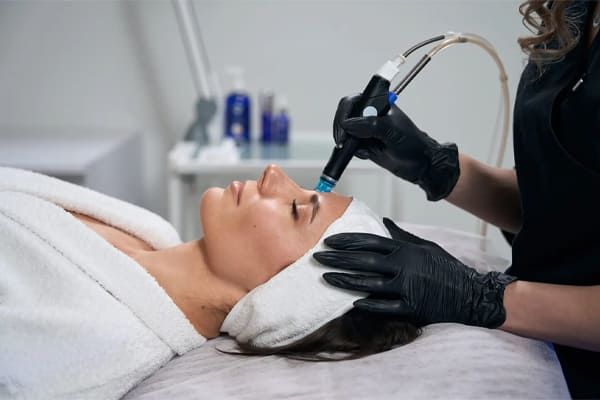
A HydraFacial is a medical-grade facial treatment that uses patented Vortex-Fusion technology to cleanse, exfoliate, extract, and hydrate the skin in a single, standardized procedure. Unlike manual facials, HydraFacial delivers controlled exfoliation, painless vacuum-assisted extractions, deep hydration using active serums, and the infusion of antioxidants and peptides.
Because the treatment is technology-driven and protocol-based, results are consistent and predictable. HydraFacial is also known for having zero downtime, making it an excellent option before important events, weddings, photoshoots, or professional functions. The skin appears immediately smoother, brighter, and well-hydrated, and makeup applied after a HydraFacial tends to sit better and look more refined due to improved skin texture and hydration.
HydraFacial and Acne-Prone Skin: What It Can and Can’t Do
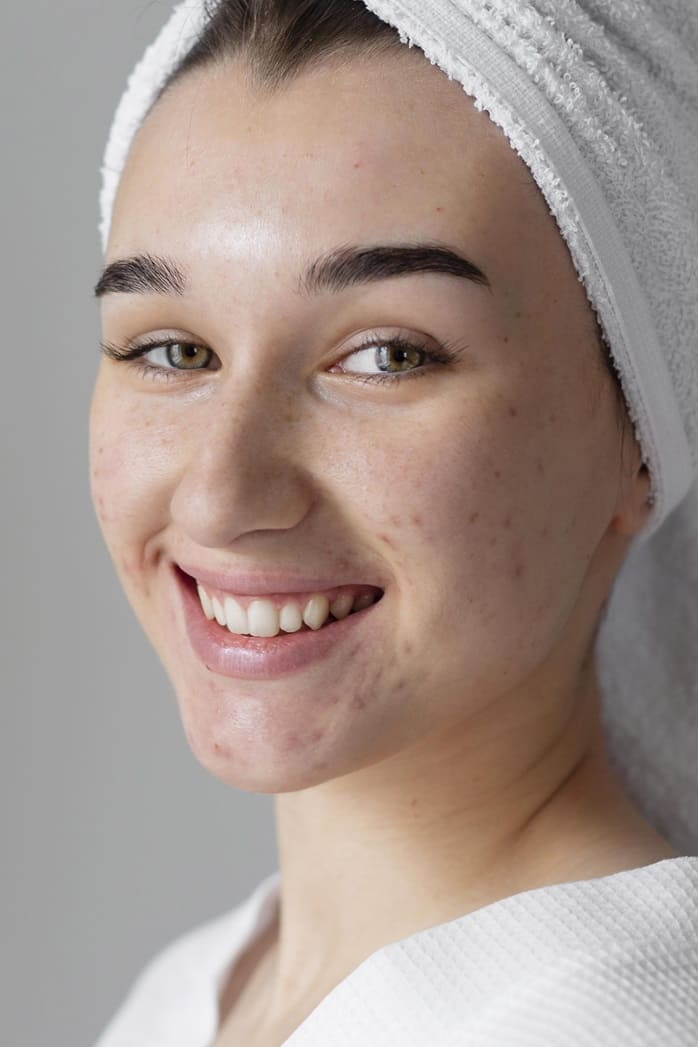
HydraFacial is particularly beneficial for mild to moderate acne-prone skin. It helps unclog pores, reduce excess oil, calm inflammation, and improve hydration without aggressive irritation. For patients dealing with blackheads, whiteheads, congestion, and early breakouts, it can significantly improve skin clarity when done regularly.
However, it is important to understand that HydraFacial is not a cure for severe cystic or nodulocystic acne. It should also be avoided in the presence of open sores, active infections, or inflamed cysts. In such cases, dermatologists often recommend HydraFacial as a maintenance or supportive treatment, used alongside medical therapies such as prescription topical agents, oral medications, or procedural treatments tailored to the severity of acne.
Types of HydraFacial Treatments
HydraFacial treatments are available in multiple variants, selected after a professional skin assessment based on skin type, concerns, and goals.
Signature HydraFacial focuses on deep cleansing, gentle exfoliation, painless extraction, and hydration. It is ideal for maintaining overall skin health and restoring natural radiance.
Deluxe HydraFacial builds on the Signature treatment by adding targeted booster serums for concerns such as acne, pigmentation, or early aging, often combined with LED light therapy to enhance results.
Platinum HydraFacial is the most advanced option, beginning with lymphatic drainage to reduce puffiness and improve circulation, followed by the full HydraFacial protocol with customized boosters and LED therapy for comprehensive skin rejuvenation.
HydraFacial vs Traditional Facials: Key Differences
Traditional facials rely on manual techniques, while HydraFacial uses FDA-approved technology designed for consistency and measurable outcomes. Traditional facials act primarily on the skin surface, whereas HydraFacial penetrates deeper, improving hydration, barrier function, and overall skin quality.
Manual extractions can sometimes cause redness, micro-tears, or post-facial marks. HydraFacial’s vacuum-assisted extraction is gentler, significantly reducing inflammation and post-treatment sensitivity. While traditional facials use generic creams and masks, HydraFacial allows precise customization through targeted boosters for acne control, pigmentation reduction, anti-aging, sensitive skin, and enhanced hydration.
Traditional facials usually offer a glow lasting a few days, whereas HydraFacial delivers immediate results with cumulative benefits when performed regularly.
Is HydraFacial Safe for All Skin Types?
When performed under professional supervision, HydraFacial is considered safe for most skin types, including oily, acne-prone, dry, sensitive, pigmented, and aging skin. That said, correct assessment and product selection are critical.
Although HydraFacial machines are now available in many salons and beauty parlours, outcomes and safety depend heavily on the quality of serums and protocols used. Dermatology clinics typically use original, medical-grade systems such as HydraFacial MD, along with authentic, clinically tested serums. This significantly reduces the risk of allergic reactions, irritation, or inconsistent results that can occur with non-standard or diluted products.
When Are Traditional Facials Still Useful?
Traditional facials remain useful for individuals seeking relaxation-focused treatments or occasional skin refreshment. They are suitable for people without active skin concerns who want basic maintenance or stress relief. However, they should not be considered substitutes for clinical skin treatments when managing acne, pigmentation, or aging-related changes.
HydraFacial: A Clinical, Dermatologist-Guided Approach
In a dermatology-led setting, HydraFacial is not treated as a standalone beauty procedure but as part of a structured skin health plan. Depending on the patient’s needs, it may be combined with laser treatments, chemical peels, prescription skincare, or medical acne and pigmentation protocols. This integrated approach focuses on long-term skin stability, barrier repair, and sustained results rather than temporary brightness alone.
Final Verdict: Which One Is Better?
If your goal is relaxation and a short-term glow, traditional facials serve their purpose. But if you’re looking for zero downtime, visible improvement in acne, pigmentation, dullness, and hydration, and a treatment that can safely be done even before important events, HydraFacial stands out as the superior option.
It represents the evolution of facials from surface-level pampering to evidence-based skin therapy with predictable, measurable outcomes.
Book a Professional Skin Consultation
Choosing the right facial should be based on your skin biology, not trends or marketing claims. A professional skin assessment ensures that your skin receives the correct treatment, products, and intensity. For dermatologist-guided HydraFacial treatments and personalized skin care plans, consulting an experienced clinical team makes all the difference.
If you are looking for best cosmetic skin treatments. Consult FMS Skin & Hair Clinics, Best cosmetic skin clinic in Hyderabad.
For Appointment Booking. Please call us or WhatsApp at 8885060760 Or Email Us at [email protected]
References
- Draelos ZD. (2024) Hydradermabrasion and skin architecture: visualization of subsurface changes using optical coherence tomography. Skin Research & Technology. 2024;30(4):e13684. This study used advanced imaging (LC-OCT) to demonstrate microscopic skin changes following hydradermabrasion.
- Skintuition Report. (2024) Hydrafacial treatments significantly improve hydration, fine lines, texture, and appearance of pores and hyperpigmentation. Journal of Dermatological Treatment / Journal of Cosmetic Dermatology composite report. 2024
- Gold MH. (2023) Hydradermabrasion as a non-invasive modality for skin rejuvenation and acne management: A clinical review. Journal of Cosmetic Dermatology. 2023;22(9):2451–2458.
- Razi S, Truong TM, Khan S, Sanabria B, Rao B. (2024) Hydradermabrasion through the lens of Line-Field Confocal Optical Coherence Tomography. Skin Research & Technology. 2024;30(4):e13684.
Frequently Asked Questions (FAQs)
1. Is HydraFacial a medical or cosmetic procedure?
HydraFacial is a medical-grade facial treatment that bridges cosmetic skincare and clinical dermatology, particularly when performed under professional supervision.
2. Does HydraFacial improve skin hydration levels?
Yes. HydraFacial delivers intensive hydration by infusing the skin with hyaluronic acid–based and antioxidant-rich serums.
3. Can HydraFacial reduce blackheads and whiteheads?
HydraFacial effectively removes blackheads and whiteheads through gentle, vacuum-assisted extraction.
4. Is HydraFacial safe for rosacea-prone skin?
HydraFacial may be suitable for mild rosacea when customized appropriately, but a dermatologist’s evaluation is essential.
5. Can HydraFacial help improve skin texture and roughness?
Yes. Regular HydraFacial treatments improve skin smoothness, texture, and overall skin clarity.
6. Does HydraFacial tighten the skin?
While HydraFacial is not a skin-tightening procedure, it enhances skin firmness by improving hydration and supporting collagen health.
7. Can HydraFacial be performed on sun-damaged skin?
Yes. HydraFacial is beneficial for sun-damaged skin, helping restore hydration and improve dullness and uneven tone
8. Is HydraFacial suitable for men’s skin?
Yes. HydraFacial effectively addresses common men’s skin concerns such as oiliness, enlarged pores, and environmental damage.
9. Can HydraFacial help with dull or tired-looking skin?
Yes. The treatment revitalizes the skin, enhancing brightness and overall radiance.
10. Does HydraFacial remove dead skin cells?
Yes. HydraFacial provides controlled exfoliation to remove dead skin cells without causing irritation.
11. Is HydraFacial safe for darker skin tones?
Yes. When performed correctly, HydraFacial is safe for all skin tones, including darker complexions, with minimal risk of pigmentation.
12. Can HydraFacial be used as a maintenance treatment?
Yes. It is commonly used as a maintenance therapy to preserve skin health between advanced dermatological procedures.
13. Does HydraFacial help reduce pore size?
HydraFacial helps minimize the appearance of enlarged pores by deep cleansing and improving skin hydration.
14. Can HydraFacial be done during summer?
Yes. HydraFacial is safe throughout the year, including summer, as it does not significantly increase photosensitivity.
15. Is HydraFacial safe after chemical peels or laser treatments?
HydraFacial can be performed after adequate healing and is often used to support skin recovery under professional guidance.
16. Does HydraFacial improve makeup application?
Yes. Improved skin texture and hydration allow makeup to apply more smoothly and evenly.
17. Can HydraFacial help with early signs of aging?
Yes. Regular treatments can help delay early signs of aging by maintaining skin hydration and quality.
18. Are HydraFacial results immediate or gradual?
Results are often immediate, with continued improvement observed over multiple sessions.
19. Is HydraFacial hygienic and clinically safe?
Yes. HydraFacial uses single-use tips and follows medical-grade hygiene protocols.
20. Who is an ideal candidate for HydraFacial?
Anyone seeking clearer, healthier, and well-hydrated skin with minimal risk and no downtime is an ideal candidate, following professional assessment.