
Stress has become an unavoidable part of modern life. Whether it’s meeting work deadlines, managing family responsibilities, preparing for examinations, financial concerns, or coping with major life changes, almost everyone experiences stress at some point. While most people recognize that stress affects mental health, fewer realize that it can also have a profound impact on the skin and hair.
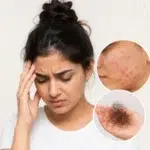
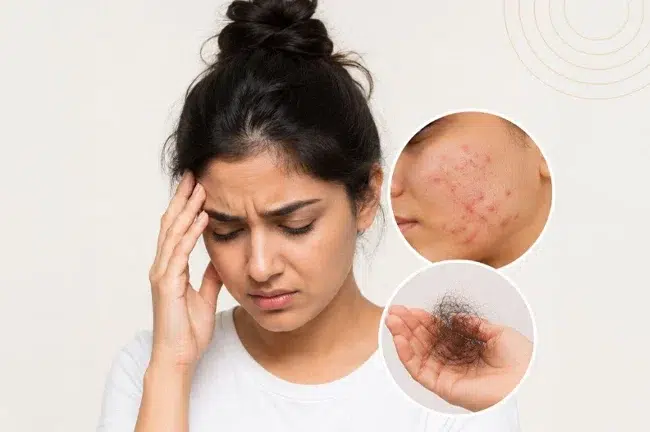
Have you ever noticed a sudden acne breakout before an important event? Or found more hair than usual on your pillow or in the shower after weeks of emotional pressure? These are not mere coincidences. Scientific research has established a strong connection between chronic stress, acne flare-ups, and excessive hair shedding.
At FMS Skin & Hair Clinic, our dermatologists frequently treat patients whose skin and hair concerns are closely linked to prolonged stress. While stress may not be the only cause of acne or hair fall, it can significantly worsen existing conditions and interfere with the body’s natural healing processes.
In this comprehensive guide, we’ll explain how stress affects your body, why it triggers acne and hair loss, and what you can do to restore healthy skin and stronger hair.
What Happens to Your Body During Stress?
Stress activates the body’s natural “fight-or-flight” response, an evolutionary mechanism designed to help us respond to danger. During stressful situations, the brain signals the adrenal glands to release hormones such as:
- Cortisol (the primary stress hormone)
- Adrenaline
- Noradrenaline
While these hormones are helpful during short-term emergencies, persistent stress keeps cortisol levels elevated for extended periods. Chronic elevation of cortisol can negatively affect multiple body systems, including:
- Hormonal balance
- Immune function
- Skin barrier health
- Oil (sebum) production
- Hair growth cycle
- Wound healing
This explains why people experiencing ongoing emotional stress often notice changes in both their skin and hair.
Can Stress Cause Acne?
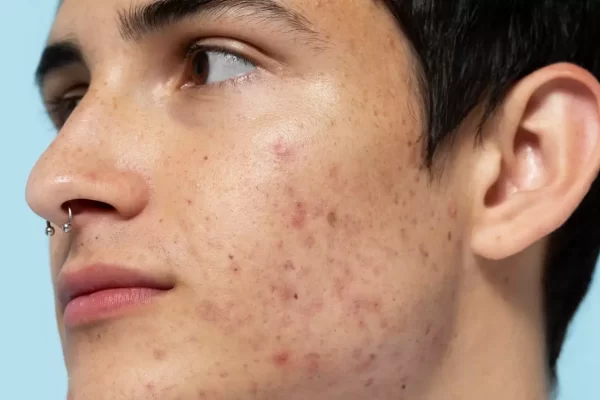
The short answer is yes—but indirectly. Stress itself doesn’t create acne overnight. Instead, it triggers biological changes that make acne more likely to develop or worsen, particularly in individuals who are already prone to acne breakouts.
How Stress Triggers Acne
1. Increased Oil Production
Elevated cortisol stimulates the sebaceous (oil) glands to produce excess sebum. When excess oil combines with:
- Dead skin cells
- Dirt
- Sweat
- Acne-causing bacteria
the pores become clogged, creating an ideal environment for pimples and inflammatory acne. This is why many people notice oily skin during stressful periods.
2. Increased Inflammation
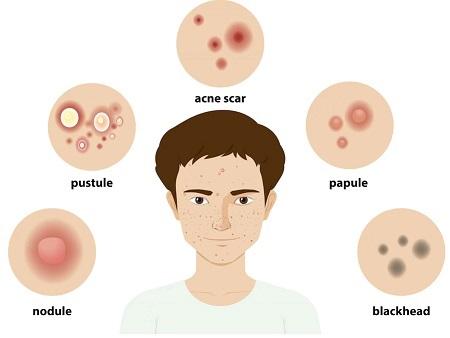
Stress increases inflammatory chemicals throughout the body. Inflammation plays a major role in acne, contributing to:
- Redness
- Swelling
- Painful pimples
- Cystic acne
- Slow healing
Even existing acne lesions may become larger and more inflamed during stressful periods.
3. Hormonal Changes
Stress disrupts hormonal balance. Increased cortisol can influence:
- Androgens
- Insulin levels
- Other hormones that regulate oil production
These hormonal fluctuations may worsen acne, particularly in:
- Teenagers
- Women with hormonal acne
- Individuals with PCOS
- Adults experiencing chronic stress
4. Slower Skin Healing
Stress reduces the skin’s ability to repair itself. As a result:
- Pimples remain longer
- Acne marks heal more slowly
- Pigmentation becomes more noticeable
- Skin becomes more sensitive
This often explains why stress-related breakouts leave behind stubborn acne marks.
5. Weakening of the Skin Barrier
Healthy skin acts as a protective barrier against bacteria and environmental damage. Chronic stress weakens this protective barrier, leading to:
- Increased irritation
- Dryness
- Redness
- Sensitivity
- More frequent acne flare-ups
Common Signs That Stress Is Worsening Your Acne
You may be experiencing stress-related acne if you notice:
- Sudden breakouts before important events
- Acne worsening during exams or work deadlines
- Pimples appearing despite a consistent skincare routine
- Painful cystic acne during emotionally stressful periods
- Acne taking longer than usual to heal
- Frequent flare-ups without obvious dietary changes
Can Stress Alone Cause Acne?
Stress is usually not the sole cause of acne. Instead, it acts as a trigger that worsens acne in people who already have contributing factors such as:
- Hormonal changes
- Oily skin
- Genetics
- PCOS
- Poor skincare habits
- Certain medications
- High-glycemic diets
Think of stress as adding fuel to an existing fire rather than starting the fire itself.
Why Emotional Stress Often Shows on the Face
The skin and brain are closely connected. During fetal development, both originate from the same embryonic tissue (the ectoderm). This biological relationship helps explain why emotional stress often manifests physically through skin conditions.
Dermatologists commonly observe stress worsening conditions such as:
- Acne
- Rosacea
- Psoriasis
- Eczema
- Chronic itching
- Excessive facial oiliness
When stress becomes chronic, the skin may struggle to maintain its natural balance, making flare-ups more frequent and more difficult to control.
Stress Acne vs Hormonal Acne
Although stress acne and hormonal acne can appear similar, they often differ in their triggers and patterns.
Stress acne tends to flare during emotionally demanding periods, can appear anywhere on the face, and often presents as inflamed red pimples that coincide with increased oiliness.
Hormonal acne, on the other hand, usually follows predictable hormonal cycles—such as around menstruation—and commonly affects the jawline, chin, and lower cheeks. It may require targeted hormonal evaluation and treatment.
In many cases, stress and hormonal changes work together, making acne more persistent and challenging to manage without professional care.
At FMS Skin & Hair Clinic, our dermatologists identify the underlying triggers behind your acne and create a personalized acne treatment plan that addresses both visible breakouts and contributing internal factors.
Can Stress Cause Hair Fall?
Just as stress can trigger acne breakouts, it can also disrupt the normal hair growth cycle, leading to excessive hair shedding. While losing 50–100 strands of hair per day is considered normal, persistent stress can cause significantly more hair to fall out, resulting in noticeable thinning and reduced hair volume.
Stress-related hair loss is often temporary, but if left unaddressed, it may become prolonged and affect self-confidence and emotional well-being.
How Does Stress Cause Hair Fall?
Hair grows in a continuous cycle consisting of three main phases:
1. Anagen (Growth Phase)
This is the active growth stage, where hair follicles continuously produce new hair. Around 85–90% of your hair is usually in this phase.
2. Catagen (Transition Phase)
A short phase where hair growth slows, and the follicle begins preparing for rest.
3. Telogen (Resting Phase)
During this stage, old hairs naturally shed while new hairs begin growing beneath them.
When the body experiences prolonged emotional or physical stress, a large number of hair follicles prematurely shift from the growth phase into the resting phase. This condition is known as Telogen Effluvium.
Approximately two to three months after the stressful event, excessive hair shedding becomes noticeable.
Types of Stress-Related Hair Loss
1. Telogen Effluvium
This is the most common type of stress-induced hair fall.
Common triggers include:
- Emotional trauma
- Major surgery
- High fever
- Childbirth
- Severe illness
- Crash dieting
- Chronic stress(professional/personal)
Symptoms include:
- Diffuse hair thinning across the scalp
- Increased hair on pillows
- Hair shedding while washing or combing
- Reduced hair volume
- Widening of the hair parting
The good news is that Telogen Effluvium is usually reversible once the underlying trigger is addressed.
2. Alopecia Areata
Stress may also contribute to the onset or worsening of Alopecia Areata, an autoimmune condition where the immune system mistakenly attacks healthy hair follicles.
Symptoms include:
- Round or oval bald patches
- Sudden hair loss
- Loss of eyebrows or beard hair in some individuals
Although stress is not the sole cause, it can act as a triggering factor in genetically susceptible individuals.
3. Trichotillomania
Some people cope with stress, anxiety, or emotional distress by repeatedly pulling out their own hair. This condition is known as Trichotillomania.
Commonly affected areas include:
- Scalp
- Eyebrows
- Eyelashes
Treatment often requires both dermatological care and psychological support.
Signs Your Hair Fall May Be Stress-Related
You may be experiencing stress-induced hair loss if you notice:
- Hair shedding beginning two to three months after a stressful event
- Increased hair fall while shampooing
- More hair on your pillow or clothes
- Diffuse thinning rather than patchy baldness
- Hair becoming less dense overall
- Hair fall accompanied by acne flare-ups or sleep disturbances
If hair shedding continues for more than three months or becomes severe, it’s important to seek evaluation by a dermatologist.
Can Stress Make Existing Hair Problems Worse?
Yes. Stress can aggravate several underlying hair conditions, including:
- Male and female pattern hair loss
- Androgenetic alopecia
- Alopecia areata
- Seborrheic dermatitis
- Scalp psoriasis
- Chronic dandruff
By increasing inflammation and disrupting hormonal balance, stress may accelerate hair thinning in individuals who are already genetically predisposed.
Can Stress Cause Both Acne and Hair Fall at the Same Time?
Absolutely, Many patients experience both conditions simultaneously because stress affects multiple systems in the body.
Elevated cortisol levels can lead to:
- Increased oil production
- Hormonal fluctuations
- Inflammation
- Reduced immune function
- Poor sleep quality
- Nutritional deficiencies
- Delayed tissue repair
As a result, it is not uncommon for individuals under chronic stress to develop acne breakouts alongside excessive hair shedding.
How Dermatologists Diagnose Stress-Related Acne and Hair Fall
At FMS Skin & Hair Clinic, diagnosis begins with a comprehensive assessment rather than simply treating the visible symptoms.
Your dermatologist may evaluate:
- Medical history
- Recent stressful life events
- Lifestyle habits
- Sleep quality
- Dietary patterns
- Existing medical conditions
- Current medications
- Hormonal health
- Family history of acne or hair loss
Depending on your condition, additional investigations such as blood tests or scalp examination may be recommended to rule out nutritional deficiencies, thyroid disorders, hormonal imbalances, or other underlying causes.
A personalized diagnosis helps ensure that treatment addresses the root cause—not just the symptoms.
Treatment Options for Stress-Induced Acne
The most effective treatment combines stress management with dermatologist- recommended skincare.
Depending on the severity of your acne, treatment may include:
- Medical-grade cleansers
- Topical retinoids
- Benzoyl peroxide
- Salicylic acid
- Oral medications (when necessary)
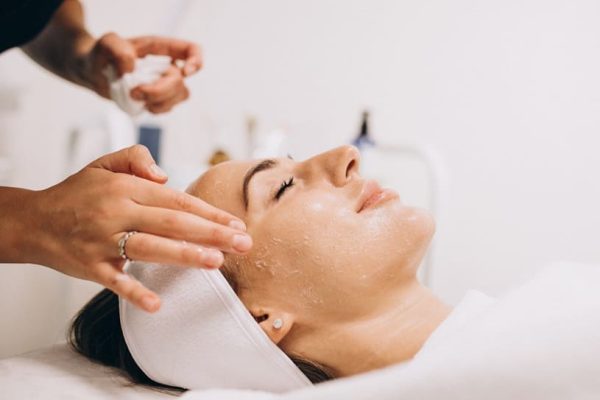
- Chemical peels
- Acne scar treatments
- Laser therapies for post-acne pigmentation
Your dermatologist will tailor a treatment plan based on your skin type, acne severity, and underlying triggers.
Treatment Options for Stress-Related Hair Fall
Hair loss caused by stress often improves once the trigger is managed, but professional treatment can accelerate recovery and support healthier regrowth.
Depending on your diagnosis, your dermatologist may recommend:
- Nutritional correction and supplementation (if deficiencies are present)
- Topical hair growth medications
- Platelet-Rich Plasma (PRP) therapy
- Platelet-Rich Fibrin (PRF) therapy
- Growth factor or exosome-based regenerative treatments
- Low-Level Laser Therapy (LLLT)
- Fotona Hair Restart therapy
- Prescription medications when indicated
Early intervention offers the best chance of preserving hair density and stimulating healthy regrowth.
At FMS Skin & Hair Clinic, hair loss treatment plans are customized to each patient’s needs, ensuring that both the physical causes and lifestyle factors contributing to hair fall are effectively addressed.
How to Prevent Stress-Related Acne and Hair Fall
While stress is an inevitable part of life, learning to manage it effectively can significantly reduce its impact on your skin and hair. Combined with a healthy lifestyle and professional dermatological care, these habits can help prevent flare-ups and promote long-term skin and scalp health.
1. Prioritize Quality Sleep
Sleep is when your body repairs and regenerates itself. Lack of sleep increases cortisol levels, which can worsen acne and disrupt the hair growth cycle.
Aim for:
- 7–9 hours of uninterrupted sleep every night
- A consistent bedtime routine
- Reduced screen time before bed
2. Eat a Nutrient-Rich Diet
Your skin and hair require essential nutrients to stay healthy.
Include foods rich in:
- Lean protein
- Iron
- Zinc
- Biotin
- Vitamin D
- Vitamin B12
- Omega-3 fatty acids
- Fresh fruits and vegetables
Avoid excessive consumption of:
- Sugary beverages
- Processed foods
- Refined carbohydrates
- Excessively oily or fried foods
A balanced diet supports healthy hair follicles and helps reduce inflammation associated with acne.
3. Exercise Regularly
Physical activity helps lower stress hormones while improving blood circulation to the skin and scalp. Aim for at least 30 minutes of moderate exercise most days of the week.
Popular stress-relieving activities include:
- Walking
- Yoga
- Swimming
- Cycling
- Strength training
4. Follow a Dermatologist-Recommended Skincare Routine
Avoid experimenting with multiple products or harsh home remedies.
Use:
- A gentle cleanser
- Non-comedogenic moisturizer
- Broad-spectrum sunscreen
- Prescription acne medications if advised
Consistency is more effective than using numerous products.
5. Take Care of Your Scalp
Healthy hair starts with a healthy scalp.
Follow these simple practices:
- Wash your hair with a suitable shampoo.
- Avoid excessive heat styling.
- Minimize tight hairstyles that strain the hair roots.
- Keep the scalp clean and free from product buildup.
- Avoid harsh chemical treatments without professional guidance.
6. Practice Stress Management
Managing stress is essential for both physical and emotional well-being.
Helpful techniques include:
- Meditation
- Deep breathing exercises
- Mindfulness practices
- Spending time outdoors
- Reading
- Listening to music
- Pursuing hobbies
- Talking to friends or family
- Seeking professional counseling when needed
Even small daily stress-management practices can make a meaningful difference over time.
When Should You Consult a Dermatologist?
Occasional acne or temporary hair shedding may resolve on their own. However, professional dermatologist evaluation is recommended if you experience:
- Persistent or painful acne
- Frequent acne flare-ups despite skincare
- Acne scars or dark spots
- Hair shedding lasting more than three months
- Visible thinning or widening of the hair part
- Patchy hair loss
- Sudden excessive hair fall
- Hair loss associated with hormonal symptoms
Early diagnosis often leads to more effective treatment and better long-term outcomes.
Why Choose FMS Skin & Hair Clinic?
At FMS Skin & Hair Clinic, we understand that acne and hair fall are often caused by a combination of medical, hormonal, lifestyle, and emotional factors. Rather than offering a one-size-fits-all solution, our experienced dermatologists perform a comprehensive evaluation to identify the underlying cause of your concerns.
Our clinic offers evidence-based, personalized treatment plans using advanced dermatological technologies and internationally accepted treatment protocols.
Our services include:
- Acne treatment
- Acne scar management
- Chemical peels
- Laser treatments
- Hair fall evaluation
- PRP and PRF therapy
- Hair regrowth treatments
- Scalp treatments
- Pigmentation management
- Anti-aging solutions
Our goal is not only to improve your skin and hair but also to restore your confidence with safe, customized, and long-lasting results.
Stress may begin in the mind, but its effects often become visible on the skin and scalp. Chronic stress can increase oil production, trigger inflammation, disrupt hormonal balance, and interfere with the natural hair growth cycle—leading to acne breakouts and excessive hair fall.
The encouraging news is that these conditions are manageable. By combining healthy lifestyle habits, effective stress management, and timely dermatological care, you can regain healthier skin, stronger hair, and renewed confidence.
If you’re experiencing persistent acne, unexplained hair loss, or both, don’t ignore the signs. Early intervention can prevent complications and improve treatment outcomes.
At FMS Skin & Hair Clinic, our expert dermatologists provide personalized, evidence-based solutions to address the root causes of your concerns. Schedule a consultation today and take the first step toward clearer skin, healthier hair, and lasting confidence.