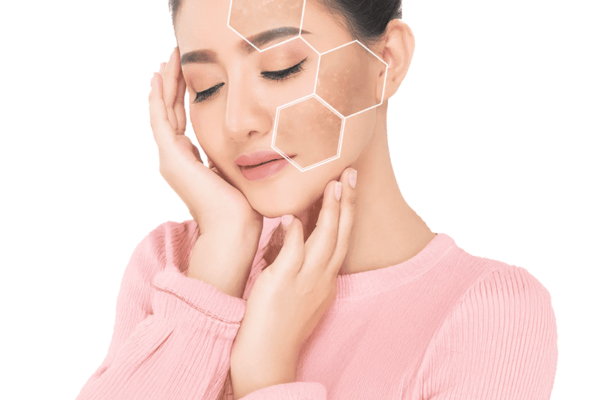
Have you noticed dark patches, acne marks, or uneven skin tone that seems to be to get rid of ? You’re not alone. Hyperpigmentation is one of the most common skin concerns affecting both men and women, particularly in India where increased melanin production due to sun
exposure makes the skin more prone to pigmentation issues.
While hyperpigmentation is not usually harmful, it can affect the confidence and it makes the skin appear older, duller, and uneven. The good news is that modern dermatology offers highly effective treatments which significantly reduce pigmentation and restore a clearer, brighter complexion.
At FMS Skin & Hair Clinics, we frequently treat patients struggling with melasma, acne, PIH, PDL, Photomelanosis, sunspots, and other forms of pigmentation. In this comprehensive guide, we’ll explain what hyperpigmentation is, its causes, the different types, and the most effective treatment options available today.
What Is Hyperpigmentation?
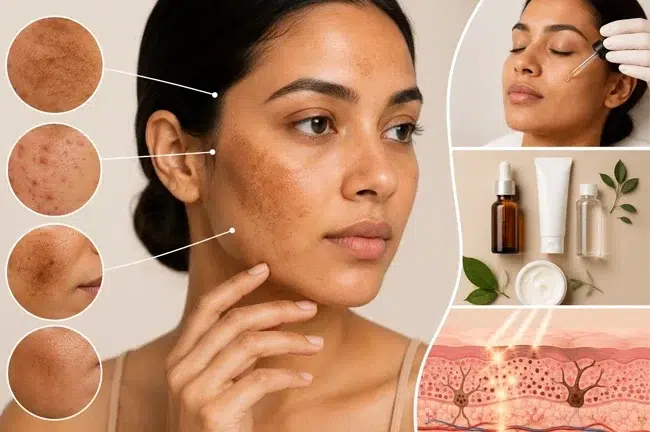
Hyperpigmentation is a skin condition characterized by the appearance of darker patches or dark spots on the skin. It occurs when melanocytes—the cells responsible for producing melanin—create excess pigment in certain areas.
Melanin is the natural pigment that determines the color of your skin, hair, and eyes. When melanin production becomes uneven, certain areas appear darker than the surrounding skin.
Hyperpigmentation can occur anywhere on the body but is most commonly seen on:
- Face
- Neck
- Hands
- Shoulders
- Chest
- Arms
The condition affects all skin tones but is particularly common among people with medium to darker complexions, including Indian skin types.
How Does Hyperpigmentation Develop?
The skin naturally produces melanin to protect itself from environmental damage, especially ultraviolet (UV) radiation from the sun. When the skin experiences injury, inflammation, hormonal changes, or excessive sun exposure, melanin production can become overstimulated.
As a result of this insult to the skin, melanin production increases and the pigment accumulates in certain areas, leading to visible dark spots or patches. Depending on the depth of pigment deposition, hyperpigmentation may be:
Epidermal Pigmentation
Pigment is located in the upper layers of the skin.
Characteristics:
- Brown in color
- Responds well to treatment
- Faster improvement
Dermal Pigmentation
Pigment extends into deeper skin layers.
Characteristics:
- Gray or bluish appearance
- More challenging to treat
- Requires advanced treatment approaches
Most of the people have both epidermal and dermal pigmentation
Common Causes of Hyperpigmentation
Understanding the cause is crucial because treatment varies depending on the underlying trigger.
1. Sun Exposure
Excessive exposure to UV rays is one of the leading causes of pigmentation i.e photomelanosis. When sunlight reaches the skin, the body increases melanin production as a protective mechanism. Over time, this can lead to:
- Sunspots
- Age spots
- Uneven skin tone
- Worsening of melasma
Even brief daily exposure without sunscreen can gradually contribute to pigmentation.
2. Post-Inflammatory Hyperpigmentation (PIH)
PIH occurs when the skin darkens after inflammation or injury or excessive rubbing or scrubbing.
Common triggers include:
- Acne
- Pimples
- Eczema
- Psoriasis
- Burns
- Allergic reactions
- Cosmetic procedures
PIH is especially common in Indian skin due to increased melanocyte activity following inflammation.
3. Hormonal Changes
Hormonal fluctuations can stimulate melanocytes and increase melanin production, more commonly seen in peri-menopause and menopause.
This often occurs during:
- Pregnancy
- Menopause
- Thyroid disorders
- Use of birth control pills
- Hormonal therapies
These changes frequently result in melasma.
4. Aging
As we age, years of accumulated sun exposure become visible in the form of:
- Age spots
- Uneven pigmentation
- Dull skin tone
These pigmentary changes are particularly common after age 40.
5. Genetics
Some individuals inherit a predisposition toward pigmentation disorders such as freckles and melasma.
6. Certain Medications
Some medications can increase skin sensitivity to sunlight and trigger pigmentation.
Examples include:
- Antibiotics like doxycycline
- Anti-seizure medications
- Chemotherapy drugs
- Hormonal medications
Types of Hyperpigmentation
Not all pigmentation is the same. Proper diagnosis is essential for successful treatment.
1. Melasma
Melasma appears as symmetrical brown or gray patches, usually on the:
- Cheeks
- Bridge of Nose
- Chin
- Forehead
It is one of the most difficult forms of pigmentation to treat and often has a hormonal component.
Risk Factors
- Female gender
- Pregnancy
- Hormonal contraceptives
- Family history
- Sun exposure
2. Post-Inflammatory Hyperpigmentation (PIH)
PIH develops after inflammation or injury.
Common examples include:
- Acne marks
- Burn marks
- Dark spots following skin irritation
Unlike acne scars, PIH involves pigment changes rather than textural changes.
3. Solar Lentigines (Sunspots)
These are flat brown spots caused by years of UV exposure. Seen most commonly in sun exposed areas.
Most commonly found on:
- Face
- Hands
- Neck
- Shoulders
Sunspots become more noticeable with age.
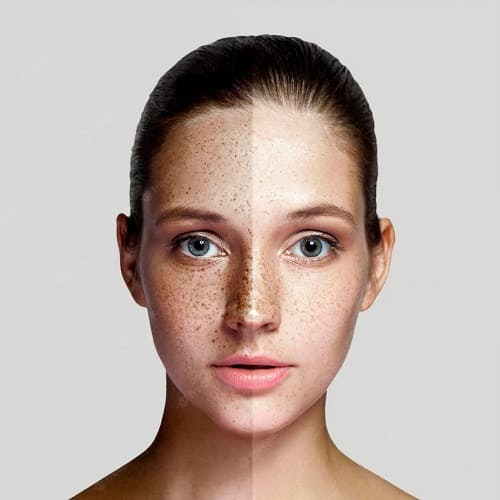
4. Freckles
Freckles are small pigmented spots caused by genetics and sunlight. Although harmless, they may become darker with UV exposure.
Drug-Induced Hyperpigmentation
Certain medications can produce diffuse or localized darkening of the skin.
Why Hyperpigmentation Is Common in Indian Skin
Indian skin contains more active melanocytes than lighter skin types.
This means:
- Greater melanin production
- Better natural UV protection
- Increased risk of pigmentation after inflammation
Even minor acne breakouts or skin irritation can leave persistent dark marks.
This makes professional pigmentation treatment especially important for achieving safe and predictable results.
Emotional Impact of Hyperpigmentation
Although hyperpigmentation is medically harmless, it can significantly affect self-esteem.
Many patients report:
- Reduced confidence
- Social anxiety
- Dissatisfaction with appearance
- Dependence on makeup to conceal dark spots
The psychological impact often motivates individuals to seek professional treatment. Fortunately, modern dermatology provides effective solutions for most pigmentation concerns.
How Dermatologists Diagnose Hyperpigmentation
At FMS Skin & Hair Clinics, diagnosis begins with a detailed skin assessment.
Our expert dermatologists evaluate:
- Skin type
- Pigmentation pattern
- Duration of condition
- Medical history
- Hormonal factors
- Sun exposure habits
- Previous treatments
Identifying the exact cause helps determine the most effective treatment plan.
Effective Treatment Solutions for Hyperpigmentation
1. Prescription Topical Treatments
Medical-grade creams remain the foundation of pigmentation management.
Common ingredients include:
Hydroquinone: Reduces melanin production and lightens dark spots. Cannot be used as long term/maintenence
Kojic Acid : A natural skin-lightening ingredient that helps reduce pigmentation.
Azelaic Acid : Useful for both pigmentation and acne-prone skin.
Retinoids : Promote skin renewal and improve pigment distribution, only tiny amount should be used.
Vitamin C : An antioxidant that brightens skin and protects against free radical damage.
Niacinamide : Helps in reduction of pigment transfer along with improvement of skin barrier function
Tranexamic Acid : Increasingly used for melasma management.
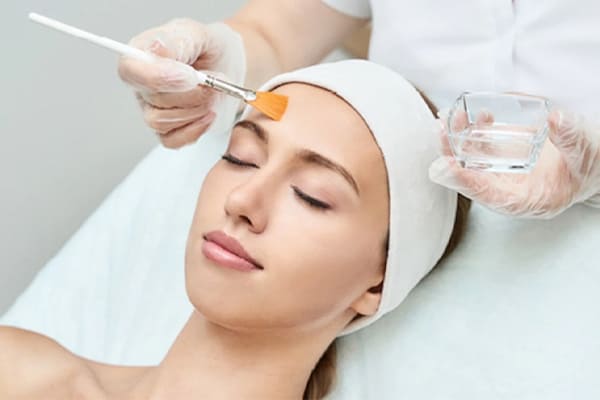
2. Chemical Peels
Chemical peels remove damaged skin cells and accelerate cell turnover.
Benefits include:
- Reduced pigmentation
- Improved skin texture
- Enhanced radiance
- Faster skin renewal
Popular peels include:
- Glycolic Peel
- Mandelic Peel
- Phenol Peels
- Arginine Peels
- Yellow Peels
- Lactic Acid Peel
- Combination Peels
A series of sessions often delivers the best results.
3. PICO Laser Toning
Laser toning has become one of the most sought-after treatments for pigmentation in Indian skin.
The procedure uses low-energy laser pulses to break down excess pigment.
Benefits include:
- Reduced melasma
- Improved skin brightness
- Minimal downtime
- Enhanced skin texture
- Most patients require multiple sessions.
4. Q-Switched Laser Treatment
Q-switched lasers specifically target melanin deposits.
They are highly effective for:
- Sunspots
- Freckles
- Pigmentation patches
- Acne-related pigmentation
This treatment allows precise targeting without damaging surrounding skin.
5. Carbon Laser Peel
Carbon peel laser toning, also known as the “Hollywood Peel,” this treatment combines laser technology with activated carbon.
Benefits include:
- Skin brightening
- Reduced pigmentation
- Improved pores
- Oil control
- Enhanced skin texture
Patients often notice an immediate glow after treatment.
6. Microneedling with Skin-Rejuvenating Therapies
Microneedling creates controlled micro-injuries that stimulate skin renewal.
Benefits include:
- Improved pigmentation
- Enhanced collagen production
- Better skin texture
- Improved absorption of active ingredients
- This treatment can be combined with specialized serums for better outcomes.
7. Combination Treatment Approach
Most pigmentation conditions respond best to a customized combination of treatments.
A dermatologist may recommend:
- Prescription creams
- Sunscreen
- Chemical peels
- Laser toning
- Lifestyle modifications
This approach often provides superior and longer-lasting results.
Importance of Sunscreen in Pigmentation Treatment
No pigmentation treatment can succeed without proper sun protection.
Dermatologists recommend:
- SPF 30 or higher
- Broad-spectrum protection
- Reapplication every 2–3 hours
- Daily use regardless of weather
Sunscreen prevents existing pigmentation from worsening and protects treatment results.
Skincare Tips for Managing Hyperpigmentation
To support professional treatment:
| Do’s: | To Avoid: |
|---|---|
| ✔ Wear sunscreen daily | ✘ Picking pimples |
| ✔ Use dermatologist-recommended products | ✘ Excessive scrubbing |
| ✔ Stay hydrated | ✘ DIY bleaching remedies |
| ✔ Follow a consistent skincare routine | ✘ Unregulated skin-lightening creams |
| ✔ Seek early treatment for acne | ✘ Skipping sunscreen |
How Long Does It Take to See Results?
The timeline depends on:
- Type of pigmentation
- Depth of pigment
- Treatment method
- Skin type
Typical improvement timelines:
- Mild pigmentation: 3 Months
- Moderate pigmentation: 6 – 8 Months
- Melasma: Ongoing maintenance may be required
Consistency is the key to success.
When Should You Consult a Dermatologist?
You should seek professional help if:
- Dark spots are increasing inspite of using regular skin care
- Home remedies are ineffective
- Pigmentation keeps returning
- Acne marks persist for months
- Melasma is worsening
- You want faster and safer results
Early intervention often leads to better outcomes.
Why Choose FMS Skin & Hair Clinics for Hyperpigmentation Treatment?
At FMS Skin & Hair Clinics, best skin clinic in Hyderabad we provide personalized solutions for all types of pigmentation concerns.
Our strengths include:
- Board Certifed Experienced dermatologists
- Advanced laser technology
- Customized treatment plans
- Evidence-based skincare protocols
- Safe treatments for Indian skin
- Comprehensive follow-up care
Whether you are dealing with melasma, acne marks, sunspots, or uneven skin tone, our team can help you achieve healthier, brighter skin.
Conclusion:
Hyperpigmentation is a common skin concern that affects millions of people worldwide. While it may seem difficult to treat, advances in dermatology have made it possible to significantly reduce dark spots, improve skin tone, and restore confidence. The key to successful treatment lies in identifying the underlying cause, protecting your skin from the sun, and following a customized treatment plan under expert guidance.
At FMS Skin & Hair Clinics, we combine advanced technology, medical expertise, and personalized care to deliver effective pigmentation solutions for every skin type.
If you’re tired of dealing with dark spots, melasma, acne marks, or uneven skin tone, schedule a consultation with our dermatology experts and begin your journey toward clearer, more radiant skin today.
Stubborn pigmentation worrying you. Consult FMS Skin & Hair Clinics, Best Skin Clinic in Hyderabad for Advanced Cosmetic Skin Care Treatments done by expert Dermatologists.
For Appointment Booking. Please call us or WhatsApp at 8885060760 Or Email Us at [email protected]