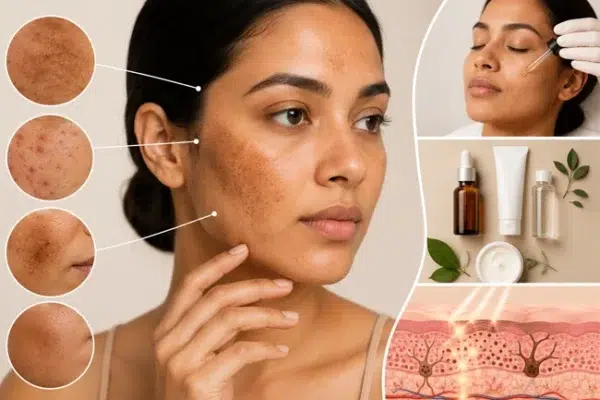

Hyperpigmentation is one of the most common skin concerns seen by dermatologists, especially in Indian and darker skin tones. Whether it appears as acne marks, sun spots, melasma, or uneven patches, hyperpigmentation can make the skin look dull, aged, and uneven. Many people try multiple creams, at home remedies, and over-the-counter products (containing steroids or hydroquinone etc) without achieving satisfactory results.
Among professional dermatological treatments, chemical peels remain one of the most effective, scientifically proven solutions for hyperpigmentation and dark spots when performed correctly. In this comprehensive guide, we explore how chemical peels work, which peels are best for pigmentation, how safe they are for Indian skin, and what results you can realistically expect.
Understanding Hyperpigmentation: Why Dark Spots Occur
Hyperpigmentation occurs when the skin produces excess melanin, the pigment responsible for skin color. This excess pigment gets deposited unevenly, leading to visible dark patches or spots. One of the most common condition which increases melanin is sun exposure. When sun rays hit the skin, it increases melanin production, which is seen as dark spots. Other conditions which cause pigmentation are genetics, familial, hormones, pregnancy, and drugs like doxycycline, etc.
Common Types of Hyperpigmentation
1. Post-Inflammatory Hyperpigmentation (PIH)
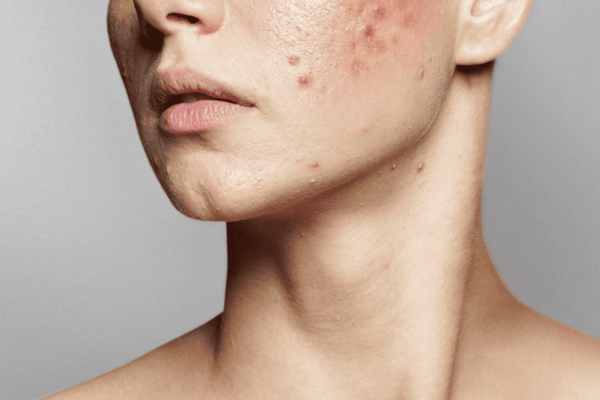
PIH occurs after acne, rashes, burns, or injuries. Very common in acne-prone skin.
2. Melasma
Hormonal pigmentation majorly seen on cheeks, forehead, nose, and upper lip. Often it is triggered by pregnancy, oral contraceptives, or sun exposure.
3. Sunspots and Tanning
Caused by prolonged UV exposure and lack of sun protection.
4. Freckles and Age Spots
Freckles are Small pigmented areas that deepen with sun exposure and age.
Each type of hyperpigmentation behaves differently, and the cause of pigmentation is also different, which is why treatment is usually customized. Based on the cause, type of skin, aggravating factors, etc.,
Why Hyperpigmentation Is Hard to Treat
Dark spots are not just a surface problem. Pigment may be located:
- In the epidermis (upper skin layer) – responds well to peels
- In the dermis (deeper layer) – more stubborn, which respond to combination of deeper peels and Q-switch laser
- Or in both layers
Many topical products fail because:
- Concentration of actives in cream is less
- They cannot penetrate deep enough
- They do not regulate melanin production
- They take too long to show result
Chemical peels work because they target pigmentation at the correct skin depth, promoting controlled exfoliation and skin renewal.
What Are Chemical Peels?
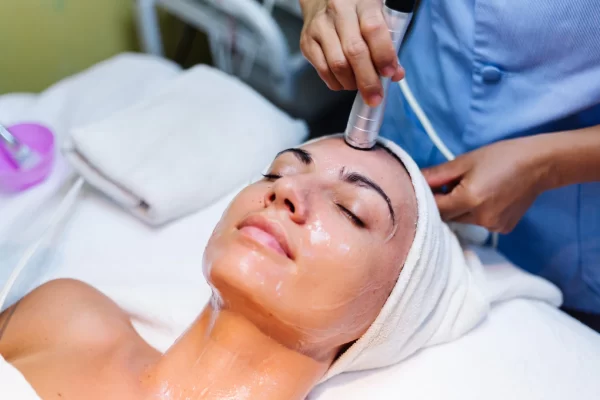
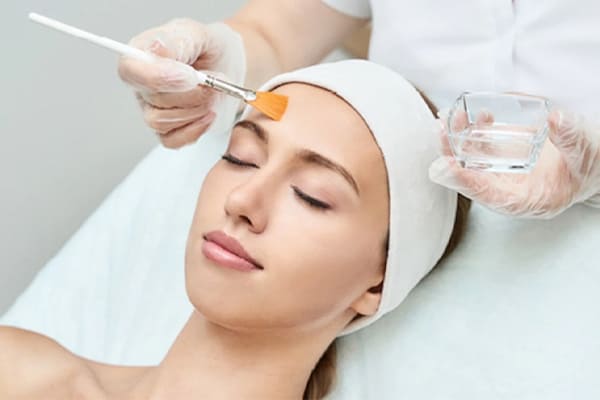
Chemical peels are medical skin resurfacing treatments that use carefully formulated acids to exfoliate damaged skin layers. This controlled exfoliation stimulates:
- Removal of pigmented cells
- Faster cell turnover
- Collagen production (deeper peels)
- Improved skin clarity and brightness
At professional clinics, peels are selected and performed by board-certified dermatologists based on skin type, pigmentation depth, and sensitivity.
How Chemical Peels Work for Hyperpigmentation
Chemical peels help pigmentation through multiple mechanisms:
- Remove pigmented surface skin cells
- Reduce melanin overproduction
- Improve uneven skin tone
- Enhance penetration of depigmenting creams
- Boost collagen and skin renewal
- Improve overall skin texture and glow
When done as a series, chemical peels can significantly reduce dark spots and prevent recurrence (when proper skin care is done). Series of procedures can be done with peels as well as Q-switch laser.
Types of Chemical Peels for Hyperpigmentation
Not all peels are suitable for all skin types. Especially in Indian skin, choosing the right peel is crucial to avoid post-treatment pigmentation.
1. Glycolic Acid Peel
Best for: Mild pigmentation, tanning, dull skin, melasma
Glycolic acid is an alpha hydroxy acid (AHA) derived from sugarcane. It exfoliates the superficial layers of skin, improving brightness and texture. Results are based on the concentration of the product used. It can vary from 15% to 70%.
Benefits:
• Lightens mild dark spots
• Improves overall skin glow
• Enhances skin smoothness
• Can exfoliate skin (deeper concentration used)
Downtime: Minimal to none
2. Lactic Acid Peel
Best for: Sensitive skin with pigmentation, glow
Lactic acid is a gentle AHA that exfoliates while maintaining skin hydration. Derived from milk thistle – mildest peel
Benefits:
• Improves uneven skin tone
• Suitable for sensitive and dry skin
• Enhances skin brightness without irritation
• Can be used post-laser or post-hydrafacial to enhance glow
3. Salicylic Acid Peel
Best for: Acne-related pigmentation
Salicylic acid is a beta hydroxy acid (BHA) that penetrates oily and acne-prone skin.
Benefits:
- Treats active acne
- Reduces post-acne dark spots
- Controls oil production
4. Mandelic Acid Peel
Best for: Indian skin tones and sensitive pigmentation. Mandelic acid is an AHA which is derived from bitter almonds. Mandelic acid has a larger molecular size, allowing slower penetration and reducing irritation risk. Usually done as sequential peel or leave-on peel for better results.
Benefits:
- Safe for darker skin tones
- Effective for PIH and melasma
- Lower risk of post-peel pigmentation
5. TCA (Trichloroacetic Acid) Peel
Best for: Stubborn and deeper pigmentation
TCA peels vary from medium-depth peels to deeper peels and must only be performed by board-certified and experienced dermatologists.
Benefits:
• Targets deeper pigment
• Improves skin texture and tone
• Offers more dramatic results
• Latest TCA peels contain around 50% concentration, i.e., Bio Repeel; there is no side effect of extensive peeling
• Can also be done for intimate areas. Multiple sessions are required for good results
Downtime: Moderate, with visible peeling
6. Combination & Custom Peels
Many dermatologists use combination peels to target multiple pigmentation pathways safely. These customized peels are especially effective for complex pigmentation patterns. Depending on the concern of pigmentation, peels are performed and changed by board-certified dermatologists.
Chemical Peels for Melasma: What You Should Know
Melasma is one of the most challenging pigmentation conditions. Aggressive treatments can worsen it.
- Mild to medium peels
- Low concentrations
- Gradual sessions
- Combined with pigmentation-control creams
- Strict sun protection
When performed carefully, chemical peels can significantly improve melasma without causing flare-ups. Melasma is one of the most common causes of stubborn pigmentation – hence 100% result is not possible.
How Many Chemical Peel Sessions Are Needed?
Hyperpigmentation is not corrected in one session.
- Mild pigmentation: 3–4 sessions
- Moderate pigmentation: 4–6 sessions
- Deep or chronic pigmentation: 6+ sessions with maintenance
Sessions are usually spaced 4 weeks apart for optimal results. Peels can be done in series along with other peels, and can be done in combination with Q-switch laser.
What Results Can You Expect?
Short-Term Results
- Gradual lightening of dark spots
- Improved skin brightness
- Smoother texture
- For better results, the use of a topical depigmenting cream along with strict photoprotection is advised.
- Direct sunlight is usually avoided for 4–5 days post-procedure.
Long-Term Results
- More even skin tone
- Reduced recurrence of pigmentation
- Healthier, clearer skin
Results depend on:
- Skin type
- Pigmentation depth
- Sun protection habits
- Consistency of treatment
- Routine skincare treatment
Downtime and Healing After Chemical Peels
Downtime varies based on peel type:
- Superficial peels: No downtime
- Medium peels: Mild peeling for 3–5 days
- Deeper peels: Visible peeling and redness for 7-10 days
Our Board-certified dermatologist will guide you on expectations and aftercare.
Post-Peel Care: Crucial for Pigmentation Control
Proper aftercare is essential to prevent rebound pigmentation.
- Use sunscreen daily (SPF 30–50+)
- Avoid sun exposure
- Follow prescribed creams
- Avoid scrubs and active products
- Do not pick peeling skin
- Use sunscreen even while staying indoors. Also
- Use of scarf/ wide brimmed hat
- Good Aftercare can make or break your results
Are Chemical Peels Safe for Indian Skin?
Yes—when performed by trained board certified dermatologists using appropriate peels and concentrations.
Professional clinics ensure:
- Accurate skin assessment
- Controlled peel depth
- Reduced risk of post-inflammatory pigmentation
Self-peeling or salon peels are not recommended for darker skin tones.
Chemical Peels vs Home Remedies for Dark Spots
| Factor | Chemical Peels | Home Remedies |
|---|---|---|
| Effectiveness | High | Low |
| Depth of action | Targeted | Superficial |
| Safety | Doctor-supervised | Unpredictable |
| Results | Long-term | Temporary |
Who Should Avoid Chemical Peels?
Chemical peels may not be suitable if you:
- Have active infections
- Have open wounds
- Are pregnant (certain peels)
- Have severe skin sensitivity
A consultation ensures safety.
Final Verdict: What Works Best for Dark Spots?
There is no single best peel for everyone. The most effective treatment depends on:
- Type of hyperpigmentation
- Skin tone
- Sensitivity level
- Lifestyle and sun exposure
When chosen correctly and performed professionally, chemical peels remain one of the most reliable and effective treatments for hyperpigmentation and dark spots.
Expert Care for Hyperpigmentation
At FMS Skin & Hair Clinics, our dermatologists design customized chemical peel protocols specifically for Indian skin tones, ensuring visible results with maximum safety.
Book your consultation today and take the first step toward clearer, brighter, and evenly toned skin