



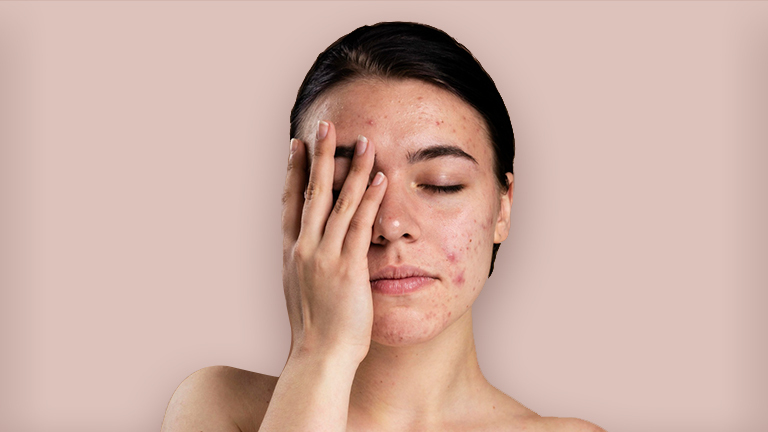
When you see a pimple filled with blood, it can look scary. It is not a “new disease,” but it usually means a normal pimple or acne spot has become very inflamed or has been injured. The medical term some doctors use for these is “hemorrhagic acne,” which simply means acne with a bit of bleeding inside.
Blood filled pimples usually happen when a clogged pore with oil, dead skin cells, and bacteria gets swollen and a tiny blood vessel breaks. This is why you see a dark red or deep maroon bump instead of a usual whitehead.
In this guide, we will walk through the real Blood Filled Pimples Causes, how Blood Filled Pimples Treatments work, simple Blood Filled Pimples Prevention tips, and when it is time to see a skin specialist in Hyderabad.
Causes of Blood Filled Pimples
Most blood filled pimples start as regular acne, then get more irritated or injured.
1. Clogged Pores, Oil And Dead Skin Cells
Almost all acne and pimples start with clogged pores. Your skin produces sebum, which is a natural oil that keeps the skin soft. When there is excess sebum and dead skin cells are not cleared well, they block the pore.
This clog is called a comedone and can show up as blackheads or whiteheads. If the clog gets deeper and inflamed, it can turn into papules, pustules or even nodules and cystic acne.
2. Bacteria And Skin Inflammation
Bacteria on the skin, especially inside a clogged pore, can trigger inflammation. This is why a small pimple turns red, swollen, painful and warm. When inflammation is strong, a tiny blood vessel near the pimple can rupture. This is how a bit of blood gets mixed with the pus and oil inside the pimple.
This is also why blood filled pimples feel more tender and look angrier than regular pimples.
3. Picking, Popping And Squeezing
One of the most common Blood Filled Pimples Causes is simple but very damaging. Repeated picking, scratching, popping or squeezing.
When you pinch a pimple, you put sudden pressure on the skin and the blood vessels below it. This can cause:
- Ruptured vessels under the skin
- Small internal bleeding into the pimple
- More swelling, redness and irritation
This is how a regular pimple suddenly becomes a blood filled bump. It also raises your risk of skin infection, acne scars and post acne marks.
4. Hormones And Excess Oil Production
Hormonal acne is another important cause. During puberty, menstrual cycles, PCOS or high stress, hormones can increase oil production. More oil means more clogged pores, more inflammation and a higher chance that some inflamed lesions turn into blood filled pimples.
5. Friction, Pressure And Daily Habits
Everyday habits can irritate acne without you noticing. Examples include:
- Tight masks, helmets, chin straps, collars
- Constant rubbing from phones held to the cheek
- Sweat left on the skin for long hours
- Harsh scrubs or rough exfoliation
This repeated friction and pressure can injure the top layer of the skin over acne lesions, trigger folliculitis or worsen skin inflammation, which again raises the risk of a blood filled spot.
Treatments for Blood Filled Pimples
The most important rule is simple. Do not pop them.
1. When You Should Leave Them Alone
If the blood filled pimple is small, not very painful and does not look infected, the safest first step is to leave it alone. Your body will work on healing, and the contents will slowly get reabsorbed or come to the surface.
Avoiding popping and squeezing is a major part of Blood Filled Pimples Treatments. It cuts down infection risk, shortens healing time and helps prevent scars.
2. Gentle Home Care And Skincare
You can support healing with a simple, gentle routine:
- Use a mild, gentle cleanser twice a day
- Avoid harsh scrubs or strong exfoliation on active lesions
- Use a light, non comedogenic moisturizer to support the skin barrier
- Do not apply thick, oily creams directly on the pimple
Some over-the- counter (OTC) anti acne creams with salicylic acid or benzoyl peroxide can help reduce clogged pores and bacteria, but they should be used carefully on sensitive skin.
3. Topical Medicines That Dermatologists Often Use
Depending on your skin type and sensitivity, a dermatologist may suggest:
- Benzoyl peroxide for bacterial growth and inflammation reduction
- Salicylic acid for unclogging pores and exfoliation
- Topical retinoids to improve cell turnover and reduce comedones
- Topical antibiotics for infection control
These are part of standard Acne Treatment and Acne Management plans. They help shrink the lesion, reduce redness and swelling, and prevent new breakouts.
4. Prescription Treatments For Deeper Or Recurring Lesions
If your blood filled pimples keep coming back, or if you have cystic acne, nodules or many painful pustules, oral medications may be needed. Depending on your medical history and skin examination, the doctor may consider:
- Oral antibiotics
- Hormonal treatment for hormonal acne
- Anti inflammatory medicines in short courses
This is why medical consultation is important instead of self medicating.
5. Clinical Treatments At A Skin Clinic
In a clinical setting, a skin specialist may also consider:
- Professional acne extraction for selected comedones
- Antibacterial or anti inflammatory facial treatments
- Light based or laser treatments to reduce skin inflammation
- Treatments to prevent scarring and help collagen repair
These are decided only after proper skin examination, not as a one size fits all package.
How to Prevent Blood Filled Pimples?
Prevention is mostly about gentle care and breaking a few habits.
1. Build A Simple, Gentle Skin Care Routine
A basic routine for most acne prone and sensitive skin includes:
- Gentle cleansing twice a day
- Minimal, controlled exfoliation with mild acids if advised
- Light moisturizing to maintain skin hydration
- Daily sunscreen that is non comedogenic
Over exfoliation, frequent scrubs, and strong peels at home can damage the skin barrier and trigger irritation.
2. Use Non Comedogenic And Fragrance Free Products
Check if your skincare and makeup are labelled as non comedogenic. This lowers the chance of clogged pores and comedones.
Heavy oils, thick balms and certain hair products can block pores around the forehead and cheeks. This can worsen acne and pimples.
3. Avoid Picking, Squeezing And Constant Touching
This is one of the strongest Blood Filled Pimples Prevention steps. It sounds simple, but it is hard to follow without awareness.
Try to:
- Keep your hands away from your face
- Avoid resting your cheek on your palm
- Never use sharp tools or nails to “clean” pimples
This protects blood vessels, controls infection risk, and reduces scarring.
4. Keep Surfaces Clean And Reduce Friction
Pay attention to:
- Pillow covers and bed linen
- Phone screens
- Helmet straps and mask edges
- Makeup brushes and sponges
Regular cleaning helps limit bacterial growth and prevents folliculitis and skin infections.
5. Support Your Skin From Inside
Dietary factors, stress and lifestyle will not be the only cause of acne, but they do matter. Some simple habits that may help:
- Limit very sugary drinks and junk food
- Drink enough water through the day
- Sleep at regular times
- Manage stress with small breaks, movement or relaxation
These support skin health and may reduce the intensity of acne flare ups.
When to See a Skin Specialist in Hyderabad?
You do not have to wait until the skin is badly scarred.
You should consider seeing a skin specialist in Hyderabad if:
- Blood filled pimples are very painful, warm or spreading,
- There is thick pus, strong redness or swelling around the lesion,
- You get frequent acne flare ups despite careful skincare,
- You notice acne scars, pits or post acne marks forming,
- The skin feels very sensitive and reacts to many products.
A dermatologist can check if it is simple hemorrhagic acne, cystic acne, folliculitis, or any other skin infection and then plan a safe, step by step Treatment Plan.
Getting Help at a Skin Clinic in Hyderabad at FMS Skin and Hair Clinic!
If you live in the city and you feel confused about your skin, it helps to meet a doctor at a trusted clinic instead of trying random products.
FMS Skin and Hair Clinic is often listed among the best skin clinic in Hyderabad, with dedicated centres and a strong presence as the best skin clinic in Kondapur for acne and pimple issues. The team includes qualified dermatologists who see cases of blood pimples, hormonal acne, acne scars and sensitive skin every day.
During a visit, the doctor will:
- Examine your acne, skin texture and sensitivity
- Discuss your routine, medications, diet and stress levels
- Suggest a simple skin care routine with suitable Skin Care Products
- Decide if you need topical treatment, oral medicines or clinical procedures
You can think of it as getting a clear, personalised Acne Management plan rather than trying to fix everything alone.
FAQs
1. Are blood filled pimples dangerous?
Most blood filled pimples are not dangerous, but they are a sign of strong inflammation or injury to the pimple. They should not be ignored if they are very painful, keep returning, or look infected.
2. Should I pop a blood filled pimple?
No. Popping increases infection risk, delays healing and makes acne scars and marks more likely. It also spreads bacteria to nearby pores and can create more lesions.
3. How long does a blood filled pimple take to heal?
If you do not pick it and follow gentle care, many blood filled pimples settle in a few days to a week. Deeper lesions or those with infection can take longer and may need prescription treatment.
4. Can blood filled pimples leave scars?
Yes, they can. Strong inflammation, repeated picking or untreated infection can damage collagen and change skin texture, which leads to acne scars and post acne marks.
5. Can my routine or diet cause blood filled pimples?
A single food choice will not cause a blood filled pimple, but oily products, poor hygiene, constant friction and high sugar diets can worsen acne and make flare ups more frequent.
6. When should I see a skin doctor for these pimples?
See a dermatologist or skin specialist in Hyderabad if the pimples are very painful, keep coming back, look infected or leave marks behind. Early medical consultation helps with infection control, inflammation control and long term Preventive Care.